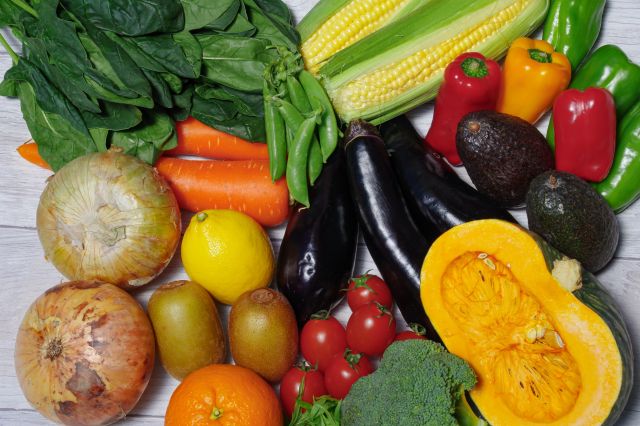
While strict vegans are relatively rare in Japan, surveys indicate that vegetarians make up about 3% of the population, though statistics vary. In recent years, growing health consciousness and environmental awareness have led more people to adopt dietary restrictions to some extent.
While vegetarians and vegans are often said to be prone to nutritional deficiencies, with proper knowledge and ingredient selection, problems don’t necessarily arise. However, diets that restrict or eliminate animal-based foods indeed require attention to specific nutrients.
In Japan, there is a culture of regularly incorporating natural ingredients, such as soy products (tofu, natto), seaweed, mushrooms, and leafy greens, which demonstrates a strong tendency to obtain nutrients directly from the foods themselves. In contrast, in Western countries and other regions, due to differences in food culture and the food industry, “fortified foods”—foods with added vitamins and minerals—are widely used as a primary means of nutritional supplementation.
While the situation varies depending on food culture and the strictness of dietary restrictions, several nutrients commonly associated with deficiency risks among vegetarians and vegans can be identified. Below, we explain these representative nutrients.
Vitamin B12
Overview and Risk of Deficiency
Vitamin B12 is found primarily in animal foods, and it is difficult to obtain sufficient amounts from plant foods. Therefore, vegans and vegetarians who consume limited amounts of animal products commonly use supplements or vitamin B12-fortified foods.
Japanese food ingredients such as natto, miso, bran pickles, and some seaweeds may contain trace amounts of vitamin B12 analogues. However, these are considered insufficient as a stable source of vitamin B12 because they are often poorly or non-existently bioavailable.
Common Sources Worldwide
- Nutritional Yeast
- Plant-Based Milk fortified with Vitamin B12
- Vitamin B12-Fortified Cereal
- Supplements
Potential Japanese Food Sources
- Nori Seaweed (Low absorption rate, making it an unstable source)
- Some strains of bacteria in natto (Limited reliable data)
- Miso and Soy Sauce (Trace amounts, supplemental)
- Pickled Rice Bran (Produced in trace amounts by lactic acid bacteria fermentation, but in small amounts)
Notes
- Vitamin B12 analogs derived from plant-based foods are not always effectively utilized by the body. For vegans and vegetarians with limited sources of B12, supplementation or fortifie
Vitamin D
Overview and Deficiency Risks
Vitamin D is produced in the skin through exposure to sunlight, but it is a nutrient prone to deficiency in regions with limited daylight hours or among those leading primarily indoor lifestyles. In addition to vegans, vegetarians who consume few animal-derived foods face a particularly high risk of deficiency due to limited dietary sources of vitamin D. Among plant-based foods, mushrooms (dried shiitake, UV-irradiated mushrooms) contain Vitamin D2. However, compared to animal-derived Vitamin D3, it has been reported to have a slightly lower impact on blood 25-hydroxyvitamin D levels.
Common global sources of supplementation
- Sun exposure
- Vitamin D-fortified plant-based milk
- Vitamin D-fortified cereals
- UV-irradiated mushrooms
Potential Japanese food sources
- Dried shiitake mushrooms (Vitamin D2 content varies depending on drying method)
- Other mushrooms (Vitamin D2 content)
Notes
- Vitamin D2 and Vitamin D3 may differ in potency. For vegans and vegetarians with limited sources, foods containing Vitamin D3 or Vitamin D3 supplements are recommended, especially when aiming to sufficiently elevate blood 25-hydroxyvitamin D levels.
Iodine
Overview and Deficiency Risk
Iodine is abundant in seaweed and seafood. In addition to vegans who do not consume animal products, vegetarians who eat little seafood or seaweed also face a risk of deficiency. Particular caution is needed if you rarely eat seaweed.
Common Global Sources
- Iodized salt
- Seaweed (though not commonly consumed in Western countries)
Potential Japanese Food Sources and Their Iodine Content
- Dried kelp (kombu): 2,000–5,000 µg
- Wakame seaweed: 50–200 µg
- Hijiki seaweed: 100–1,000 µg
- Roasted nori seaweed (1 sheet): 16–40 µg
Notes
- Seaweed iodine content varies greatly; avoid excessive intake.
- Frequent, large consumption of high-content foods like kombu or hijiki may affect thyroid function.
- Vegans and vegetarians with limited seaweed intake should be mindful of daily consumption and consider supplements.
Omega-3 Fatty Acids (Alpha-Linolenic Acid / EPA / DHA)
Overview and Deficiency Risks
Alpha-linolenic acid is abundant in plant-based foods, but the body’s conversion efficiency to EPA and DHA is low, only about a few percent. This makes deficiency in long-chain omega-3 fatty acids (EPA/DHA) common. Particular caution is needed for vegans, who consume almost no animal products, and vegetarians who eat little seafood.
Common Global Sources
- Chia seeds
- Flaxseed
- Walnuts
- Hemp seeds
- Flaxseed oil / Chia oil
Potential Japanese Food Sources
- Perilla oil
- Flaxseed oil
- Walnuts
Notes
- Since the body’s conversion efficiency from alpha-linolenic acid to EPA/DHA is low, consider direct supplementation with algae-derived EPA/DHA supplements as needed.
- Caution is required if intake is low, and the risk of deficiency increases significantly during pregnancy and lactation.
- Vegans and vegetarians who rarely consume seafood are particularly recommended to consciously supplement.
Iron
Overview and Deficiency Risks
Non-heme iron from plant foods has low absorption rates, making deficiency common, especially among women and growing individuals. Conscious supplementation is necessary not only for vegans but also for vegetarians who consume few animal products.
Common Global Sources
- Lentils, chickpeas
- Spinach, kale
- Black soybeans, black beans
- Iron-fortified cereals
Potential Japanese Food Sources
- Hijiki, wakame, nori
- Spinach, komatsuna
- Soy milk, natto, tofu
- Black sesame seeds
Notes
- Non-heme iron has low absorption rates, so pairing it with vitamin C-rich foods (e.g., bell peppers, broccoli, oranges) enhances absorption.
- Tannins in coffee and tea inhibit iron absorption, so be mindful of consumption timing.
- Vegans and vegetarians who consume few animal products are especially advised to focus on absorption-enhancing food combinations.
Zinc
Overview and Deficiency Risks
Plant-based foods contain phytic acid, which can inhibit zinc absorption. Therefore, zinc is a nutrient prone to deficiency in vegans who consume almost no animal products and vegetarians who consume few animal products.
Common Global Sources
- Legumes (lentils, chickpeas)
- Nuts, almonds
- Seeds (pumpkin seeds, sesame seeds)
- Whole grains
Potential Japanese Food Sources
- Soy products (soy milk, natto, tofu)
- White sesame seeds
- Brown rice
- Kombu
Notes
- Foods containing phytic acid may inhibit absorption. Including fermented foods (like natto) or soaked/sprouted legumes can improve absorption rates.
- Combining foods can help supplement zinc more efficiently.
- Vegans and vegetarians who consume few animal products are especially encouraged to supplement by carefully considering food combinations and cooking methods.
Protein
Overview and Deficiency Risks
Even for vegans and vegetarians, absolute deficiency is rare in generally healthy adults as long as total calorie intake is sufficient. However, if one essential amino acid is lacking, the body cannot effectively utilize the others, even if they are present in sufficient quantities. When animal-based foods are limited, it is important to be mindful of amino acid balance.
Common Global Sources
- Legumes (lentils, chickpeas, black beans, kidney beans)
- Tempeh
- Tofu and soy-based meat alternatives
- Nuts and peanut butter
- Plant-based protein powders (pea, hemp)
Potential Japanese Food Sources
- Tofu, deep-fried tofu (aburaage), fried tofu (age)
- Natto, miso, soy sauce
- Okara (tofu pulp), edamame, soybeans
Notes
- Combining foods to ensure amino acid balance is crucial, provided total energy intake is sufficient.
Vegetarians and vegans tend to be at risk of deficiencies in nutrients dependent on animal foods, such as vitamin B12, vitamin D, iodine, omega-3 fatty acids, calcium, iron, zinc, and protein. However, Japanese ingredients are rich in highly nutritious foods like tofu, natto, thick fried tofu, leafy greens, seaweed, and mushrooms, which contain diverse nutrients. With careful planning, these can help supplement nutrients prone to deficiency. By being mindful of what and how you eat in your daily meals, it is possible to maintain a healthy diet.