

White flesh
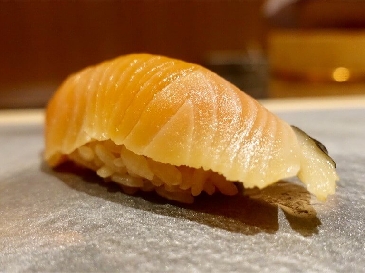
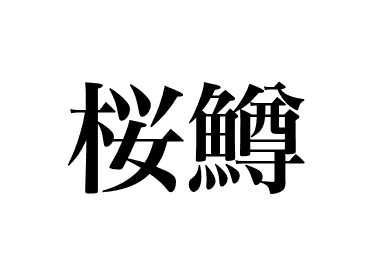
Cherry salmon (Sakuramasu)
【Nigiri sushi: Shiromi】
Cherry salmon (Oncorhynchus masou masou), known as sakuramasu in Japanese, is considered one of the finest fish for eating raw. However, due to the risk of parasites, it is frozen immediately after being caught and kept frozen for a certain period before being used for sushi or sashimi, as a precaution. Its flesh is characterized by a rich umami flavor and moderate sweetness. The renowned gourmet Rosanjin once remarked, “To the untrained eye, salmon and trout may seem similar at first glance, but in terms of flavor, trout is far superior to salmon,” suggesting that he held its taste in high regard.
A particularly well-known sushi dish made with sakuramasu is “masu-zushi,” a local specialty of Toyama Prefecture. It is a type of oshi-zushi (pressed sushi) believed to have originated in the Edo period and is widely recognized as a classic way to enjoy sakuramasu. Meanwhile, in recent years, Toyama has been promoting nigiri-zushi made with fresh local fish as a tourist attraction, and sakuramasu is sometimes served as a spring topping. Furthermore, while it is occasionally served at some high-end restaurants in Tokyo and Kanazawa, it is more accurately described as an ingredient representative of spring rather than a standard, everyday topping.
To further enhance this sense of seasonality, some sushi chefs infuse sakuramasu with the aroma of salt-cured cherry leaves or garnish the nigiri with desalted, salt-cured cherry blossoms. By layering the scent of cherry blossoms over the flavor of the sakuramasu itself, they evoke a distinctly spring-like atmosphere.
It should be noted that the term “hon-masu,” used in sushi restaurants and fish markets, primarily refers to sakuramasu. This name has been used for commercial purposes to distinguish it from other trout species, such as pink salmon and rainbow trout.
【Cherry salmon Trivia】
Yamame are landlocked cherry salmon that spend their entire lives in rivers, inhabiting cold-water areas like upper reaches. They are the dream catch of stream anglers and called the “Queen of the Streams.” Their defining feature is the long, vertical “leaf-shaped or oblong” markings (par marks) on their sides. If farmed Yamame are not fed feed containing astaxanthin, their eggs will not turn red. Instead, they remain yellow and are sometimes called golden ikura.
【Related contents】
What is Biwa trout?
What is Sakhalin taimen (Itou) sushi?
List of White flesh fish (Shiromi)
(Revision date: August 24, 2026)
Main production area
Hokkaido Aomori Niigata Iwate
Famous production area
Season
Spring-Early summer