

Others
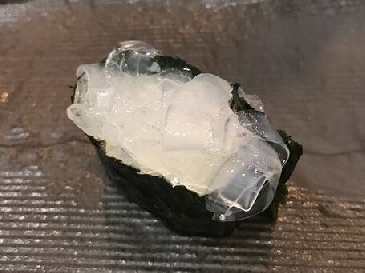
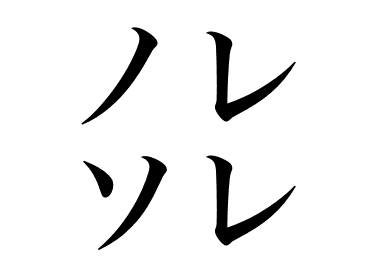
Japanese conger larva (Noresore)
【Nigiri sushi: Others】
The larvae of eels, conger eels, pike congers, and other species are called “Leptocephalus” and have a long, slender, flat, leaf-like shape. Their bodies are transparent, allowing their muscles and notochord to be seen. In Kochi Prefecture, these are primarily the larvae of conger eels, which are called “Noresore.” In the Kansai region, they are also known as “berata,” and on Awaji Island, they are called “hanatare.”
They arrive in the markets from February through May, but because catch volumes are low and they lose freshness quickly, they are often sold at a premium. Noresore is known as an early spring delicacy, and many people eagerly await this season. It is characterized by a smooth, slippery sensation as it goes down the throat and a subtle sweetness, offering a unique mouthfeel found nowhere else. If one were to compare its texture to something familiar, it would be similar to the wild vegetable “junsai (watershield).”
When eaten raw, it pairs well with ginger soy sauce, wasabi soy sauce, or ponzu. In sushi, it is often served as a gunkan-maki roll, garnished with green onions and ginger. While it resembles shirauo (Japanese icefish) in appearance, its texture is smoother, reminiscent of high-quality tokoroten (gelidium jelly). While it is sometimes served as a tsumami at sushi restaurants in Tokyo, very few establishments offer it as nigiri sushi.
If you have the chance to visit Kochi, be sure to try noresore as an early spring seasonal delicacy. Depending on the sushi restaurant, you may also be able to request noresore by mentioning it when making a reservation.
【Related contents】
List of Nimono, Gyoran and Others
(Revision date: September 16, 2026)
Main production area
Kochi Tokushima
Season
Spring