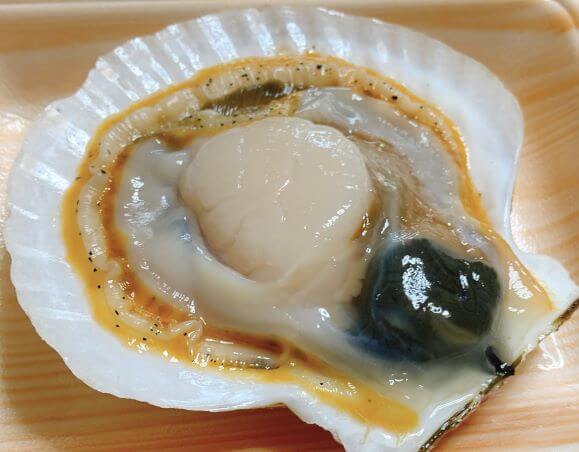
Scallops sometimes eat a type of toxic dinoflagellate (known as the cause of the red tide), accumulate this toxin in their bodies and become poisonous. This toxin is called Saxitoxin and it has a high fatality rate.
In addition to bivalves such as scallops, asari clams, Akazara-scallop, oysters, and purple mussels, food poisoning has also occurred from sea squirts and devil crab. In shellfish, toxins are primarily concentrated in the digestive gland. Although no poisoning has occurred, paralytic shellfish toxins have also been detected in helmet crab.
Symptoms of poisoning start with numbness in the lips, tongue and side of the face as well as a burning sensation that eventually spreads to the ends of the limbs and causes loss of sensation. When it gets even worse, the victim loses the ability to move their body. Even in end stage, the victim maintains consciousness until breathing ceases and then finally dying from suffocation. There have been a number of cases of death from Saxitoxin on either coast of the North American continent, but there are very few cases of poisoning in Japan.
Identifying toxic shellfish cannot be done by appearance alone, and toxins are not destroyed by standard cooking methods. In Japan, to prevent shellfish-borne food poisoning, the appearance of toxic plankton is monitored regularly, and toxicity levels in important shellfish species are measured. Those exceeding the regulatory limit (4 mouse units per gram of edible portion) are subject to shipping restrictions.
[sc_apply url=”https://sushiuniversity.jp/apply/”]
We hope this information will be helpful.

Revision date: December 18, 2025
Share this article