Exploring Kyushu’s Regional Sushi Culture

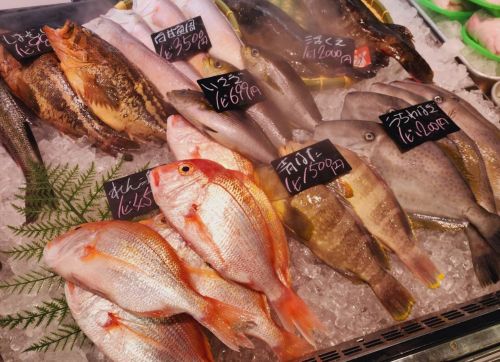
A photo of types of Fish in Kyushu

Why Kyushu Is One of Japan’s Great Sushi Regions

When travelers think of Japan’s finest sushi, destinations such as Tokyo, Kanazawa, or Hokkaido often come to mind. Yet Kyushu has quietly become one of the country’s most remarkable sushi regions, thanks to an extraordinary combination of rich fishing grounds, world-class aquaculture, and diverse local food cultures.

Surrounded by the sea on all sides, Kyushu is blessed with an exceptional variety of marine environments. The Genkai Sea, the East China Sea, the Bungo Channel, Ariake Bay, and the Hyuga Sea each support different ecosystems, creating one of Japan’s richest collections of seasonal seafood. Warm and cold ocean currents converge around the island, while its deeply indented coastline, numerous islands, and sheltered bays provide ideal habitats for countless species of fish and shellfish.

Kyushu is not only one of Japan’s leading fishing regions but also a global leader in premium marine aquaculture. High-quality farm-raised bluefin tuna, yellowtail, greater amberjack, red sea bream, tiger puffer, and many other species are produced here using advanced techniques that have earned the trust of sushi chefs throughout Japan.

What makes Kyushu truly unique, however, is that it does not have a single sushi tradition. Instead, each region has developed its own relationship with the sea. In Hakata, sushi reflects the role of Fukuoka as the gateway to Kyushu’s seafood. In Saiki, local sushi celebrates the extraordinary bounty of the Bungo Channel. Kitakyushu has embraced sushi as part of its regional identity, while Nagasaki has become one of the nation’s most important suppliers of seafood for sushi restaurants across Japan.

Together, these regional traditions reveal a broader story. Kyushu is not defined by a single style of sushi, but by a network of fishing communities, markets, sushi chefs, and aquaculture producers that together sustain one of Japan’s richest and most diverse sushi cultures.


Hakata-mae Sushi: The Gateway to Kyushu’s Seafood

While Edomae (江戸前) sushi developed in Tokyo using seafood from Edo Bay and was refined through traditional preparation techniques, Hakata-mae sushi reflects the unique character of Fukuoka and Kyushu’s coastal environment.

The term Hakata-mae (博多前) generally refers to sushi that highlights seafood from the waters surrounding Fukuoka, including Hakata Bay and the Genkai Sea. One of its defining attractions is the fresh, firm texture of locally caught seafood, enjoyed close to its place of landing.

Although the name is “Hakata-mae,” the seafood is not limited to Fukuoka. As the commercial and transportation hub of Kyushu, Fukuoka receives premium seafood from across the island, including Nagasaki, Saga, Kumamoto, Oita, Miyazaki, and Kagoshima. As a result, a meal at a Hakata sushi restaurant often showcases the seasonal diversity of Kyushu rather than the catch of a single fishing ground.

Another characteristic of Hakata-mae sushi is how it is seasoned. Unlike Edomae sushi, where the chef often brushes the topping with nikiri soy sauce before serving, many Hakata-style sushi restaurants allow diners to season the sushi themselves.

This difference reflects the region’s culinary culture. Hakata-mae sushi typically emphasizes the freshness, texture, and natural sweetness of seafood rather than the deeper umami developed through aging. To complement these qualities, many restaurants serve Kyushu-style soy sauce, which is generally sweeter and richer in umami than the soy sauces commonly found in eastern Japan.

The distinctive flavor of Kyushu soy sauce also reflects regional taste preferences. Many commercially produced varieties are blended to enhance sweetness and umami, creating a mellow flavor that pairs particularly well with fresh sashimi and sushi. Rather than overpowering the seafood, this style of soy sauce is intended to enhance its natural sweetness while adding depth to each bite.

Differences can also be found in the sushi rice. Traditional Edomae sushi often features shari seasoned with akazu (red vinegar made from sake lees), prized for its rich aroma and deep umami. Some sushi chefs use little or no sugar, allowing the character of the vinegar to enhance toppings with bold flavors. However, because red vinegar can easily overwhelm delicate white-fleshed fish or shellfish, many modern Edomae sushi restaurants blend red and white vinegar or prepare different types of shari to suit specific toppings.

In contrast, sushi traditions in western Japan, including Hakata, have generally favored white vinegar-based shari with a slightly sweeter flavor profile. This regional preference creates a lighter balance that complements the wide variety of seafood enjoyed throughout Kyushu.

Another feature often associated with Hakata-mae sushi is the dining style. While Edomae sushi is commonly served as a progression of nigiri, many sushi restaurants in Hakata follow a sushi kappo style, offering seasonal appetizers and cooked dishes before concluding the meal with a selection of nigiri. This reflects Kyushu’s long tradition of enjoying seafood in many forms throughout the course of a meal.

Rather than representing a rigid style, Hakata-mae sushi expresses the culinary identity of Fukuoka—a city that has long served as the gateway to Kyushu’s rich marine resources. It is a sushi culture shaped by exceptional seafood, regional tastes, and the craftsmanship of chefs who bring together the finest seasonal ingredients from across the island.


Saiki Sushi Kaido: A Community United by Sushi

When people hear the name Saiki City in Oita Prefecture, they may not immediately think of sushi. However, located in the southeastern part of Kyushu and facing the Bungo Channel, Saiki is one of Japan’s most remarkable seafood destinations and is known as one of the country’s hidden sushi towns.

The city is blessed with a coastline stretching approximately 270 kilometers, featuring a complex landscape of bays and inlets. The Bungo Channel, located between Kyushu and Shikoku, is one of Japan’s most productive fishing grounds. Here, warm currents from the Pacific Ocean meet cooler waters from the Seto Inland Sea, creating an environment rich in nutrients and attracting a remarkable variety of marine life.

This unique natural environment supports an extraordinary diversity of seafood. More than 350 species of fish and shellfish are landed in Saiki throughout the year, allowing local sushi chefs to source many of their ingredients directly from nearby waters. From seasonal white-fleshed fish and squid to mackerel, horse mackerel, and premium species such as grouper, the variety of sushi toppings reflects the richness of the Bungo Channel.

Even familiar fish such as horse mackerel and sardines develop exceptional flavor in these waters. The strong currents of the Bungo Channel create firm textures and rich flavors, giving locally caught seafood a distinctive character that is highly valued by sushi chefs.

However, Saiki’s goal was not only to produce excellent seafood but also to preserve and communicate the value of its local food culture. This led to the creation of Saiki Sushi Kaido (Saiki Sushi Highway), an initiative launched by local sushi chefs who came together to promote a higher standard of regional sushi while making better use of local seafood.

The initiative began with a commitment among sushi professionals to rediscover and showcase more than 50 varieties of locally caught seafood, strengthening the connection between fishermen, seafood suppliers, sushi restaurants, and the local community.

Rather than focusing on one famous ingredient, Saiki Sushi Kaido celebrates the changing seasons of the sea. Each sushi restaurant presents its own interpretation of Saiki’s seafood, allowing visitors to experience the diversity of ingredients that the Bungo Channel provides throughout the year.


Sushi Capital Kitakyushu: Building a City Around Sushi

When people think of Japan’s great sushi cities, Tokyo, Osaka, or Kanazawa may come to mind. However, another city in Kyushu has been working to establish itself as a destination where visitors can experience a unique regional sushi culture: Kitakyushu.

Located at the northern tip of Kyushu, Kitakyushu is surrounded by three seas—the Genkai Sea, the Hibiki Sea, and the Suo Sea—as well as the Kanmon Strait, one of Japan’s most dynamic waterways. This exceptional marine environment creates a rich fishing ground where a wide variety of seafood can be found, from deep-sea species and coastal fish to migratory fish.

The Kanmon Strait is particularly known for its strong currents, which change direction with the tides. These fast-moving waters help create firm textures and rich flavors in fish caught in the area. Combined with the short distance between fishing grounds, ports, and markets, Kitakyushu has developed an ideal environment for delivering high-quality seafood.

The city’s relationship with seafood is reflected in local food culture as well. Kitakyushu has one of the highest levels of consumption of sashimi assortments in Japan, demonstrating the important role that fresh seafood plays in everyday life. The same ingredients are also highly valued by sushi chefs, who appreciate the quality and diversity of fish available from the surrounding waters.

However, excellent seafood alone does not create great sushi. Behind Kitakyushu’s reputation is a network of professionals who carefully maintain quality from the ocean to the dining table. Fishermen, wholesalers, markets, retailers, and sushi chefs all contribute their knowledge and skills to preserve freshness and enhance the natural qualities of each ingredient. Some seafood professionals even use advanced techniques such as ikejime (precise nerve and blood removal) to ensure that fish reaches diners at its peak condition.

To share this culinary heritage with a wider audience, the Sushi Capital Kitakyushu Council was established. Bringing together people from across the seafood industry—including fishermen, market professionals, and sushi restaurants—the council works to promote Kitakyushu’s unique sushi culture both domestically and internationally.

The council’s activities extend beyond simple promotion. It aims to increase awareness of Kitakyushu’s sushi culture, attract visitors, support tourism, develop new products, encourage collaboration among local businesses, and build a regional network that strengthens the city’s identity as a destination for sushi.

The initiative also includes exchanges with other regions that have successfully developed sushi culture as a tourism resource. One notable example is the collaboration with Toyama Prefecture, a region recognized for its strong connection between local seafood and sushi. Through this exchange, Kitakyushu seeks to share knowledge and explore new approaches to preserving and promoting regional sushi traditions.


Nagasaki: One of the Pillars of Japan’s Sushi Industry

While many travelers associate Japan’s finest sushi with cities such as Tokyo or Kanazawa, few realize that much of the seafood served at sushi restaurants across the country originates in Nagasaki Prefecture.

Surrounded by the East China Sea, the Sea of Japan, and the waters of the Goto Islands and Tsushima, Nagasaki enjoys one of Japan’s richest marine environments. Warm and cold ocean currents converge around its extensive coastline and hundreds of islands, creating habitats for an extraordinary diversity of marine life.

This exceptional geography has made Nagasaki one of Japan’s leading fishing prefectures. More than 300 species of fish and shellfish are landed throughout the year, giving the prefecture one of the greatest varieties of seafood found anywhere in the country. From horse mackerel, sea bream, and mackerel to squid, tuna, yellowtail, pufferfish, and sea urchin, Nagasaki supplies many of the species that define Japanese sushi.

Nagasaki is also one of Japan’s largest producers of marine seafood, with both wild-caught and farmed fish playing an important role in the national seafood industry. High-quality farmed bluefin tuna, tiger puffer, yellowtail, and other premium species are shipped daily to wholesale markets and sushi restaurants throughout Japan.

For this reason, Nagasaki’s influence on Japanese sushi extends far beyond its own coastline. Seafood harvested here is transported to major wholesale markets such as Toyosu in Tokyo and Osaka’s Central Wholesale Market, where it becomes part of the seasonal offerings at sushi restaurants across the country.

Yet there is a compelling reason to experience Nagasaki’s seafood where it originates. Fish landed only hours earlier can be enjoyed at their freshest, often at prices that would be difficult to find in Japan’s largest cities. Local sushi chefs also have access to a wider range of seasonal species, including varieties that rarely reach distant markets in significant quantities.

Unlike regions that promote a single signature style of sushi, Nagasaki’s greatest contribution lies in sustaining Japan’s sushi culture itself. As one of the nation’s most important fishing prefectures, it provides the exceptional seafood upon which sushi restaurants throughout Japan depend. For anyone seeking to understand the foundations of Japanese sushi, Nagasaki is not merely another destination—it is one of the regions that helps make Japan’s sushi culture possible.


Kyushu: The Heart of Japan’s Premium Aquaculture

Wild seafood has long been the foundation of Japanese sushi, but modern sushi culture also owes much to another achievement: premium aquaculture. Today, Kyushu stands at the center of this transformation.

Blessed with warm coastal waters, sheltered bays, and generations of maritime expertise, Kyushu has become Japan’s leading region for high-quality marine aquaculture. Prefectures such as Kagoshima, Nagasaki, Miyazaki, Kumamoto, and Oita produce some of the country’s finest farm-raised seafood, supplying sushi restaurants throughout Japan and around the world.

A photo of kanpachi

Species such as yellowtail (buri), greater amberjack (kanpachi), red seabream (madai), bluefin tuna (hon-maguro), tiger puffer (torafugu), and striped jack (shima-aji) are carefully raised under controlled conditions. Farmers monitor water quality, feed, fish health, and harvesting schedules to achieve consistent flavor, texture, and fat content throughout the year.

Modern Japanese aquaculture is no longer simply about increasing production. It is about producing seafood that meets the demanding standards of sushi chefs. Many farms have refined their breeding techniques over decades, while advances in feeding programs, fish welfare, and quality control have resulted in seafood that is prized for its clean flavor, balanced fat, and reliable quality.

Aquaculture also plays an important role in supporting the sustainability of Japan’s seafood supply. By reducing pressure on certain wild fish stocks while maintaining stable production, responsibly managed aquaculture helps ensure that many popular sushi ingredients remain available for future generations.

For visitors exploring Kyushu, this means experiencing not only exceptional wild-caught seafood but also some of the world’s finest farm-raised fish. In many cases, the distinction between wild and farmed seafood is no longer defined by quality alone, but by the different characteristics that each brings to the sushi counter. Together, they represent the evolution of Japan’s sushi culture—where tradition and innovation exist side by side.

5 Must-Try Sushi in Kanazawa | Gasuebi, Koubakogani, Akanishi & More

A photo of Higashi Chaya District
Higashi Chaya District is a beautifully preserved geisha district where visitors can experience the atmosphere of old Kanazawa.

Kanazawa’s Rich Food Culture and Sushi Tradition

In the early 17th century, when Tokugawa Ieyasu brought an end to the long era of civil war, Japan entered the peaceful Edo period, which lasted for approximately 260 years. Edo (present-day Tokyo), the political, economic, and cultural center of the country, developed into one of the world’s largest cities, with a population exceeding one million. Meanwhile, Kanazawa flourished as Japan’s fourth-largest city, after Edo, Osaka, and Kyoto.

At that time, the Kaga Domain, centered on Kanazawa, boasted the largest kokudaka (rice yield) in Japan and amassed such wealth that it came to be known as “Kaga Hyakumangoku” (Kaga’s One Million Koku). Successive feudal lords actively protected and promoted culture and the arts, leading to the development of magnificent gardens such as Kenroku-en, as well as the flourishing of Noh theater and the tea ceremony. Even today, visitors can enjoy a city where history and modern culture exist in harmony, with attractions including the Higashi Chaya District, the Nagamachi Samurai District, Kanazawa Castle, Kenroku-en Garden, Omicho Market, and the 21st Century Museum of Contemporary Art, Kanazawa.

Nurtured by this rich history, Kanazawa has also become one of Japan’s premier culinary destinations. The city’s food culture—a blend of Kaga cuisine inherited from the Kaga Domain era, fresh seafood from the Sea of Japan, and abundant seasonal ingredients—continues to captivate visitors from around the world. Furthermore, because successive feudal lords encouraged the tea ceremony, Kanazawa developed into one of Japan’s Three Great Confectionery Capitals, alongside Kyoto and Matsue. As a result, the tradition of beautifully crafted Japanese sweets has been preserved and continues to thrive today.

If you visit Kanazawa, sushi is a must-try. Off the coast of Ishikawa Prefecture, the warm Tsushima Current meets the cold Liman Current, while the deep waters are filled with the nutrient-rich, cold Sea of Japan Proper Water. These favorable marine conditions allow both warm-water and cold-water fish and shellfish to thrive, resulting in an exceptionally diverse catch throughout the year. Thanks to the outstanding quality of its seafood, Ishikawa Prefecture is recognized as one of Japan’s leading fishing regions, supplying fresh seafood to markets across the country, including Tokyo and Osaka.

Kanazawa offers an incredible variety of delicious sushi toppings. Kano crab (Ishikawa’s premium branded male snow crab)—the king of winter delicacies—along with rich, fatty winter yellowtail and nodoguro (blackthroat seaperch), often called “the toro of white fish,” are among the city’s most famous specialties and are highly recommended at many sushi restaurants. However, rather than focusing on these well-known favorites, this article introduces five distinctive sushi toppings that are a little less familiar but well worth seeking out—unique local delicacies you’ll want to experience while you’re in Kanazawa.

5 Unique Sushi Toppings You Should Try in Kanazawa

Gasu Shrimp (Gasu Ebi)

A photo of gasuebi nigiri

Gasu shrimp, officially known as Kurozako shrimp (Argis lar or Argis toyamaensis), is one of Kanazawa’s best-kept culinary secrets. Most of the shrimp served in Kanazawa are caught by bottom trawlers off the Noto Peninsula.

Although its brownish shell and rugged appearance are far less attractive than the familiar sweet shrimp (amaebi), locals often say that its flavor surpasses even amaebi. The flesh is exceptionally firm and springy, with a rich sweetness and deep umami that slowly spreads across the palate.

Because Gasu shrimp deteriorates very quickly after being caught, it is rarely shipped outside the Hokuriku region. This makes Kanazawa one of the very few places where you can enjoy it at its freshest, especially as nigiri sushi.

Best season: September–May (especially winter)

Female Snow Crab (Koubako-gani)

A photo of koubakogani nigiri

Koubako-gani is the female snow crab and one of Kanazawa’s most treasured winter delicacies.

Although much smaller than the male snow crab, it is prized for its rich crab miso, sweet meat, and flavorful orange roe. Many sushi restaurants carefully prepare it as gunkan-maki or nigiri during the short fishing season.

Koubako-gani is also one of the signature ingredients of Kanazawa oden, making it a unique delicacy that can be enjoyed in both sushi restaurants and traditional oden shops.

To protect the species, the fishing season is strictly limited and ends in late December. While frozen Koubako-gani may still be available afterward, those who want to experience its finest flavor should visit during the short fresh season.

Best season: November–December

Konaganishi

A photo of Akanishi

Konaganishi (Fusinus ferrugineus) grows to about 10 cm in shell length. It is one of the smaller species of spindle snails and inhabits shallow sandy seabeds along the Sea of Japan coast, from Mutsu Bay in Aomori Prefecture to Kyushu.

In Nanao, Ishikawa Prefecture, Konaganishi has long been known locally as akanishi. For this reason, it is often labeled simply as “akanishi” on English menus or in travel guides because the local name is more familiar than the species’ official Japanese name. However, the shellfish served in Kanazawa is actually Konaganishi (Fusinus ferrugineus), which is different from the true Akanishi (Rapana venosa).

Its firm yet tender texture and rich natural sweetness become more pronounced with every bite. Because it is rarely served as sushi outside the Hokuriku region, many sushi lovers visit Kanazawa specifically to experience this unique local delicacy.

Best season: Available year-round (best from autumn to spring)

Noto Pufferfish (Mainly Gomafugu)

A photo of fugu nigiri

Noto pufferfish is one of Kanazawa’s finest local seafood specialties. Ishikawa Prefecture ranks among Japan’s leading producers of wild pufferfish, with a variety of species landed along the coast of the Noto Peninsula.

Because the fish is landed locally, visitors can enjoy high-quality wild pufferfish at surprisingly reasonable prices. Depending on the season and the restaurant, sushi chefs may serve species such as gomafugu, mafugu, or shirosabafugu, each offering a delicate sweetness, mild flavor, and pleasantly firm texture.

Although tiger pufferfish (torafugu) is the best known internationally, many locals consider these wild Noto pufferfish to be just as delicious. Prepared as nigiri sushi, they offer an authentic taste of the Sea of Japan that is difficult to experience elsewhere.

Best season: Autumn–Winter

Whelk (Baigai / Echubai)

A photo of baigai nigiri

Baigai is the collective name for several sea snails of the family Buccinidae. In Kanazawa, however, the name almost always refers to Etchubai (Buccinum striatissimum), a deep-sea snail that inhabits sandy and muddy seabeds at depths of 200–500 meters (660–1,640 ft) in the Sea of Japan.

Baigai is one of Kanazawa’s most popular local seafoods and is commonly found at fish markets, sushi restaurants, and traditional eateries. As nigiri sushi, it is prized for its pleasantly crunchy texture, delicate sweetness, and rich umami. It is also enjoyed simmered in soy sauce (tsuboyaki-style) or as one of the signature ingredients of Kanazawa oden, where it pairs beautifully with the light, savory broth.

The fishing season runs from September to June, with the finest quality available during winter. Because its Japanese name, bai, sounds like the word for “double,” it is also regarded as a lucky food symbolizing double the good fortune.

Best season: September–June (especially winter)

Manjugai

A photo of manjugai nigiri

Manjugai (Megangulus venulosus) is commonly known as Shirogai or Saragai in most parts of Japan. In Kanazawa, however, it is traditionally called Manjugai and has long been prized as a premium sushi topping.

As local catches in Ishikawa have declined in recent years, much of the Manjugai served in Kanazawa is now sourced from Hokkaido and other parts of Japan, where it is often caught as bycatch during surf clam (hokkigai) fishing. Even so, demand remains strong, reflecting the clam’s enduring popularity among Kanazawa’s sushi lovers.

As nigiri sushi, Manjugai is prized for its crisp, springy texture and delicate natural sweetness. While it has long been a favorite sushi topping in Kanazawa, it has never become particularly popular in the Kanto region, including Tokyo. This regional difference makes Manju-gai one of Kanazawa’s most distinctive local specialties.

Best season: Spring–Summer

Final Tips for Enjoying Kanazawa Sushi

Not every sushi restaurant in Kanazawa serves all of these local specialties. Availability depends on the season, the day’s catch, and sea conditions. During winter, rough seas on the Sea of Japan often prevent fishing boats from going out, making some seafood unexpectedly scarce. If there’s a particular sushi topping you’re hoping to try, contact the restaurant in advance or ask them to set it aside when you make your reservation. And if you spot one of these seasonal delicacies on the menu, don’t pass it up—you may not get another opportunity to enjoy it at its absolute best.

Related contents:

Visit Kanazawa

15 Sushi Toppings You Can Only Eat in Hokkaido: From Wild Salmon to Hon-Shishamo

A photo of Shirogane Blue Pond in winter
Shirogane Blue Pond was made by accident, as a by-product of attempts to control mudslides. Aluminium that has seeped into the water scatters the sunlight, causing the pond to look blue.

Hokkaido is one of Japan’s greatest culinary destinations. In addition to its majestic nature, hot springs, and breathtaking seasonal scenery, it is the exceptionally fresh sushi and seafood that captivate so many travelers.

Some people may wonder, “Since seafood from all over Japan is gathered at Toyosu Market, wouldn’t it be the same even if I go to Hokkaido?” In reality, however, many fish species are available only in Hokkaido, while others are caught in such limited quantities that they are consumed almost entirely locally. As a result, many sushi toppings can only be enjoyed at local sushi restaurants.

In this article, we’ll introduce sushi toppings you’ll definitely want to try when visiting Hokkaido, along with their rarity ratings. When dining at a sushi restaurant during your trip, it’s worth asking, “Do you have this today?” even if it’s not listed on the menu.

Must-Try Sushi Toppings in Hokkaido: Wild Salmon Edition

In Hokkaido, you can experience the unique flavor of wild-caught salmon, which is truly a cut above the ordinary. It is not uncommon for salmon varieties that are available only in limited quantities, even at high-end sushi restaurants in Tokyo, to be relatively easy to find in Hokkaido.

Tokishirazu (Rarity: ★☆☆)

A photo of tokishirazu sushi

Season: April–June

“Tokishirazu” (also known as “Toki-sake”) refers to chum salmon (shirozake) caught off the coast of Hokkaido during the off-season—from spring through early summer (April to June)—even though they normally return to rivers in autumn to spawn. Most of these fish are immature salmon born in Russian rivers, such as the Amur River, that migrate through the Pacific Ocean.

Because they have not yet spawned, they have not used their energy to produce roe or milt, unlike autumn salmon. As a result, their flesh is plump, tender, and rich in fat. Thanks to its rich umami and refined flavor, Tokishirazu is regarded as one of Hokkaido’s finest luxury sushi toppings.

Keiji (Rarity: ★★★)

Season: Around November

Keiji is an exceptionally rare immature chum salmon known as the “phantom salmon.” Only one or two fish are caught out of every 10,000. The name refers to immature salmon whose roe and milt have not yet developed, caught primarily around Rausu on Hokkaido’s Shiretoko Peninsula and off the coast of Abashiri.

Its flesh has a high fat content and a concentrated umami flavor. The fine-grained texture is moist and tender, delivering a rich, deep flavor with an unexpectedly clean finish.

Because of its extreme rarity, only a very limited quantity reaches the market, and even high-end sushi restaurants receive it only occasionally. It may sell for tens of thousands of yen per kilogram, with a single fish sometimes fetching more than ¥100,000. If you happen to find Keiji at a sushi restaurant during your trip to Hokkaido, don’t miss the opportunity to try it.

Masunosuke (Rarity: ★★☆)

A photo of masunosuke nigiri

Season: April–June

King salmon is one of the largest members of the salmon family and is known in Japan as “Masunosuke.”

Although it is recognized worldwide as a premium fish, wild Masunosuke is caught only in limited quantities, making opportunities to enjoy it as sushi in Japan quite rare.

Its high fat content, full-bodied flavor, and intense umami truly make it worthy of the title “King of Salmon.”

While farmed King salmon is produced in countries such as New Zealand, the wild Masunosuke caught in Hokkaido is considered far rarer.

Chip (Rarity: ★★☆)

A photo of himemasu nigiri

Season: June–August

Chip (Himemasu) is a lake-resident sockeye salmon that inhabits Lake Shikotsu. Unlike most salmon, it spends its entire life in the lake, and fishing is permitted for only about three months each summer.

Because catches are extremely limited, most Chip is consumed around Lake Shikotsu and within Chitose City, and it is rarely distributed outside Hokkaido.

Lake Shikotsu is renowned as one of Japan’s clearest lakes. The Chip raised there is prized for its clean flavor and refined umami, allowing visitors to appreciate the delicate taste unique to wild salmon.


Only in Hokkaido Can You Savor Wild Salmon

In major cities such as Tokyo, these wild salmon varieties are served only at select high-end sushi restaurants, and their availability is unpredictable. In many cases, you won’t be able to try them unless you make a reservation well in advance.

In Hokkaido, however, wild salmon can be enjoyed not only at sushi restaurants in Sapporo and Otaru but also at conveyor-belt sushi restaurants during the peak season.

Must-Try Sushi Toppings in Hokkaido: Shrimp Edition

When it comes to Hokkaido’s signature sushi toppings, salmon isn’t the only option. Shrimp from the cold waters of Hokkaido are known for their intense sweetness and rich umami flavor. Many of these varieties are rare, with limited distribution even within Japan, making them a must-try when visiting Hokkaido.

Grape Shrimp (Rarity: ★★★)

A photo of grape shrimp

Season: Summer

Also known as the “phantom shrimp,” the Grape Shrimp is an extremely rare species found only in Japan. It is primarily caught around the Shiretoko Peninsula, particularly off the coast of Rausu, and the annual catch is extremely limited. Its name comes from its deep grape-colored shell, reminiscent of red wine.

While it looks very similar to the button shrimp, its flesh is even richer, characterized by a melt-in-your-mouth sweetness and deep umami flavor.

One reason grape shrimp are so rare is their low reproductive capacity. While button shrimp carry several thousand tiny eggs, grape shrimp carry only about 100 large eggs. As a result, their population grows very slowly, and catch volumes remain extremely limited.

Even in Hokkaido, they are rarely available except during the summer season, making them a delicacy that is seldom found even at high-end sushi restaurants. If you happen to find them at a sushi restaurant, be sure to try them—they are one of Hokkaido’s most representative and rare sushi ingredients.

Sweet Shrimp

A photo of sweet shrimp nigiri

Season: Year-round (Best in Early Spring)

Hokkaido is one of Japan’s leading producers of sweet shrimp. In particular, the Sea of Japan off the coast of Mashike Town is a nutrient-rich fishing ground where warm and cold ocean currents meet. Because they grow slowly in the cold water, the sweet shrimp caught here have firm flesh and a rich, sweet flavor.

Since the fishing season varies by region, you can enjoy fresh sweet shrimp year-round. However, they are especially delicious in early spring, when live sweet shrimp caught early in the morning are served at their freshest. Their translucent flesh and melt-in-your-mouth sweetness are truly exceptional.

Due to their high quality, Hokkaido sweet shrimp are shipped to the Toyosu Market almost daily. However, one of the greatest attractions of local sushi restaurants is the opportunity to savor shrimp served shortly after being landed. The delicate sweetness of freshly caught sweet shrimp is something that can truly only be experienced in Hokkaido.

Toyama Shrimp

A photo of botan shrimp nigiri

Season: Spring & Autumn

One of Hokkaido’s most prized premium shrimp is the Toyama shrimp. Many of the shrimp served as botan shrimp at high-end sushi restaurants are actually Toyama shrimp from Hokkaido, highly regarded for their rich sweetness and deep umami flavor.

The fishing season in Hokkaido opens in March and reaches its peak around April. During this season, they have translucent vermilion shells with distinct white spots, offering a pleasantly firm texture and an elegant sweetness.

From early September through around November, Toyama shrimp carrying emerald-green roe are caught. Not only are they visually striking, but the popping texture of the roe and its rich umami flavor make them a highly anticipated seasonal delicacy.

When served as nigiri sushi, one of the highlights is enjoying both the intensely sweet flesh and the rich shrimp miso together. Since you can experience distinct seasonal flavors in both spring and autumn, Toyama shrimp is undoubtedly one of the sushi toppings you should try when visiting Hokkaido.

Hokkai Shima Shrimp (Rarity: ★★☆)

Season: Summer

Hokkai Shima Shrimp is a rare shrimp species caught only in limited areas of eastern Hokkaido, such as the Notsuke Peninsula and Lake Saroma.

They are typically boiled in salted water immediately after being landed and are enjoyed as one of Hokkaido’s signature local delicacies.

They are occasionally served as nigiri sushi at local sushi restaurants, where you can enjoy their concentrated sweetness and pleasantly springy texture.

Must-Try Sushi Toppings in Hokkaido: White-fleshed Fish Edition

In Hokkaido, you can discover many white-fleshed fish that are rarely found elsewhere in Japan. Raised in the cold northern waters, these fish develop high-quality fat and a delicate yet rich umami flavor.

Hakkaku (Rarity: ★★☆)

A photo of hakkaku nigiri

Season: January–March

As its name suggests, Hakkaku is a fish with a distinctive appearance, featuring horn-like protrusions. While its unusual look may put some people off, it is highly regarded in Hokkaido as an exceptionally delicious white-fleshed fish.

Its fatty flesh is rich in umami, and when served as nigiri sushi, its refined sweetness truly shines.

It was once widely available at affordable prices in Hokkaido, but as its delicious flavor has become better known, its popularity has grown in recent years.

Ohyo (Rarity: ★★☆)

A photo of ohyo nigiri

Season: Year-round (Best in Winter)

Ohyo is one of the world’s largest flatfish species and can grow to more than 2 meters in length.

Its flesh has a mild flavor, but when exceptionally fresh, it offers a delicate sweetness. Its umami is enhanced even further when prepared as kobujime (kelp-cured sashimi).

Because fish fresh enough to be served raw is rarely distributed outside Hokkaido, Ohyo is a sushi topping that is difficult to find in Tokyo and other parts of Japan.

Matsukawa (Rarity: ★☆☆)

A photo of matsukawa nigiri

Season: Winter

Matsukawa is a highly prized luxury fish. In Japan, people often say, “Winter flounder is excellent, but winter Matsukawa is in a league of its own.”

During winter, it develops an abundance of high-quality fat, giving it a rich, concentrated umami flavor. It is outstanding not only as nigiri sushi but also when prepared as kobujime or served with lightly seared engawa (fin muscle).

In Hokkaido, artificial stock enhancement programs help conserve the species, and although catches have increased compared with the past, Matsukawa remains a rare fish throughout Japan.

Other Hokkaido White Fish Worth Trying

Hokkaido is also home to many other outstanding white-fleshed fish. Mazoi, in particular, is rarely targeted by commercial fisheries, so it seldom appears in large quantities at fish markets. If you happen to find it at a sushi restaurant, it’s definitely worth ordering.

A photo of mazoi nigiri

  • Menuki (Rarity: ★★☆)
  • Mazoi (Rarity: ★★★)
  • Kurosoi (Rarity: ★★☆)
  • Kinki

Because these fish grow in cold waters, they develop high-quality fat and are known for their exceptionally rich umami flavor.

Hon-Shishamo (Rarity: ★★★): A Delicacy Exclusive to Hokkaido

A photo of shishamo nigiri

One sushi topping you absolutely must try when visiting Hokkaido is Hon-Shishamo.

The “shishamo with roe” commonly found at izakayas and supermarkets is, in most cases, actually Karafuto shishamo (capelin). By contrast, the true shishamo is a species endemic to Japan that is found only along Hokkaido’s Pacific coast. To distinguish it from imported Karafuto shishamo, it is commonly called Hon-Shishamo.

The difference between the two is reflected in their prices. While Karafuto shishamo sold in supermarkets typically costs around ¥30–60 per fish, Hon-Shishamo is considered a premium fish and generally sells for around ¥250–400 per fish—more than four times as much.

Because Hon-Shishamo loses its freshness very quickly, it is difficult to distribute raw. Even in Hokkaido, only a limited number of restaurants serve it as sushi or sashimi. Its fishing season is also short, lasting only from around October to November, making it one of Hokkaido’s most highly anticipated seasonal delicacies.

If you visit a sushi restaurant in Hokkaido, it’s worth asking, “Do you have Hon-Shishamo today?” even if it isn’t listed on the menu. Since some restaurants purchase it specifically for regular customers who make advance reservations, it’s not uncommon for them to have it available without listing it on the menu.

The appeal of Hon-Shishamo extends beyond sushi. Overnight-dried male Hon-Shishamo is one of Hokkaido’s signature local delicacies, prized for its concentrated umami, lightly toasted aroma, and the refined sweetness of its rich fat. When you visit Hokkaido, be sure to enjoy it alongside sushi.

Even If It’s Not on the Menu, Be Sure to Ask

Many of the seafood items featured here are not always listed on the menu because they are caught only in limited quantities.

Some are sourced specifically for reservations made by regular customers, while others are offered only as the day’s special.

When you visit a sushi restaurant in Hokkaido, try asking, “Do you have any rare fish today?” You might discover a unique local delicacy that you won’t find anywhere else.

Why Can You Enjoy Rare Sushi Toppings in Hokkaido?

So far, we’ve introduced a variety of sushi toppings unique to Hokkaido.

Some of you may be wondering, “Since fish from all over Japan is shipped to Toyosu Market, can’t you enjoy these without traveling to Hokkaido?”

Seafood from across Japan is indeed gathered at markets in Tokyo. However, there are still many sushi toppings that can only be enjoyed in Hokkaido. The reason lies in how Japan’s seafood distribution system works.

Markets Prioritize Fish with a Stable Supply

Seafood is generally shipped to the markets where it commands the highest prices. As a result, Toyosu Market receives an exceptional variety of high-quality seafood from across Japan.

However, quality isn’t the only factor buyers consider.

For wholesalers and sushi restaurants, one of the most important considerations is being able to obtain the fish they need consistently and in sufficient quantities.

For example, fish such as maguro (tuna), tai (sea bream), and hirame (flounder), which are available throughout the year, are essential menu items at many sushi restaurants. In contrast, fish that are caught only in small numbers or are available for just a few weeks each year are difficult to offer as regular menu items.

Rare Fish Are Often Consumed Locally

The same is true for fishermen.

Even if a rare fish is caught, shipping it over long distances is often impractical unless there is consistent demand. This is especially true for fish that lose their freshness quickly.

As a result, fish caught in very small quantities are often consumed locally rather than being shipped to distant markets.

In recent years, direct shipping systems connecting fishing ports and sushi restaurants have become increasingly common. However, transportation costs, logistics, and limited demand mean that not every type of fish is distributed nationwide.

That’s exactly why sushi restaurants in Hokkaido are able to serve fish that are rarely found in Tokyo.

Why Hokkaido Is One of Japan’s Leading Fishing Grounds

Why do so many fish and shellfish thrive in the waters around Hokkaido?

There isn’t just one reason. A unique combination of natural conditions—including ocean currents, seabed topography, rivers, and even winter drift ice—has created one of the world’s richest fishing grounds.

The Oyashio Current Brings Abundant Nutrients

Along Hokkaido’s Pacific coast and the Sea of Okhotsk, the cold Oyashio Current (Kuril Current) flows southward from the north.

The Oyashio Current is rich in nutrients such as nitrogen and phosphorus, creating an ideal environment for phytoplankton to flourish.

Phytoplankton form the foundation of the marine food chain.

Zooplankton feed on phytoplankton, small fish feed on zooplankton, and larger species—including salmon, flounder, cod, and crabs—feed on these smaller fish.

Hokkaido’s abundant fishing grounds are sustained by this rich and productive food chain.

A Vast Continental Shelf Supports Marine Life

Another defining feature of the seas surrounding Hokkaido is their broad continental shelf and relatively shallow waters.

Because sunlight can easily reach the seafloor in these shallow areas, phytoplankton can photosynthesize efficiently.

In addition, ocean currents and the uneven seabed continually mix the water, bringing nutrient-rich deep water closer to the surface.

Together, these conditions create an ideal environment for a remarkable diversity of fish and shellfish to thrive.

Nutrients Flow from the Forests to the Sea

Hokkaido is home to many major rivers, including the Ishikari and Tokachi Rivers.

Rain that falls in the mountains flows through forests, carrying nutrients downstream before eventually reaching the sea.

These nutrients enrich coastal ecosystems and help sustain Hokkaido’s productive fishing grounds.

In Hokkaido, people often say, “Rich forests create a rich ocean.” This is far more than just a metaphor—it reflects the close relationship between healthy forests and abundant marine life.

Drift Ice Makes the Sea of Okhotsk Even Richer

One natural phenomenon unique to Hokkaido is the drift ice that arrives in the Sea of Okhotsk each winter.

Drift ice is much more than frozen seawater.

Phytoplankton and nutrients become trapped within the ice and on its surface. When the ice melts in spring, these nutrients are released into the sea, triggering a massive spring phytoplankton bloom.

Zooplankton and small fish feed on this abundant plankton, and the food chain continues upward to support salmon, scallops, sea urchins, crabs, and many other marine species.

In this way, drift ice acts as a natural source of nutrients, replenishing the Sea of Okhotsk every year.

Savor Hokkaido’s Seasonal and Local Specialties

The appeal of sushi in Hokkaido isn’t simply its freshness.

Its true charm lies in discovering seafood that can only be found in this region and enjoyed during a particular season.

Species such as Tokishirazu, Keiji, Chip (Himemasu), Grape Shrimp, and Hon-Shishamo are excellent examples.

These are rare sushi toppings and seafood delicacies that are difficult to find elsewhere in Japan. That’s exactly why a visit to Hokkaido offers a truly special dining experience.

Even if a particular fish isn’t listed on the menu, the restaurant may still have it available if it was caught that day or purchased specifically for regular customers.

Ask the sushi chef, “What do you recommend today?” or “Do you have any rare fish today?” You may discover a seasonal delicacy you’ve never tasted before.

Sushi in Hokkaido is more than just a meal—it’s an opportunity to experience the changing seasons and the extraordinary natural environment that has made Hokkaido’s waters some of the richest fishing grounds in the world.

Related contents:

Visit Hokkaido

8 Must-Try Sushi in Toyama | White Shrimp, Himi Winter Yellowtail, Firefly Squid & More

A photo of tateyama mountain range
Toyama Bay, with the Tateyama Mountain Range towering above it as if floating on the water

Toyama Prefecture is widely regarded as one of Japan’s best destinations for sushi.

The secret lies in Toyama Bay, whose unique geography creates one of the richest fishing grounds in the country. Combined with exceptionally fresh seasonal seafood, it has earned Toyama a reputation as a paradise for sushi lovers.

Today, many of the seafood varieties introduced in this article can also be found in cities such as Tokyo and Osaka thanks to modern distribution networks. However, nothing compares to enjoying them in Toyama, where the time from catch to sushi is remarkably short.

In this guide, we’ll introduce the must-try sushi in Toyama and explain why Toyama Bay is often called a natural fish preserve.


Best Sushi in Toyama: 8 Must-Try Local Specialties

1. White Shrimp (Shiro Ebi)

A photo of White Shrimp (Shiroebi) nigiri

Known as the “Jewel of Toyama Bay,” white shrimp is Toyama’s signature seafood.

Its translucent flesh offers an elegant sweetness and a delicate, melt-in-your-mouth texture.

Since most of Japan’s white shrimp are caught in Toyama Bay, fresh white shrimp nigiri is one of Toyama’s most iconic sushi experiences.

Best season: April–November (especially May–July)


2. Firefly Squid (Hotaru Ika)

Firefly squid is one of the signature delicacies of spring in Toyama Bay.

During the spawning season, they gather close to shore, allowing restaurants to serve them at exceptional freshness. Their rich umami and subtle sweetness make them a seasonal favorite.

Many sushi restaurants offer them raw, lightly boiled, or marinated, each showcasing a different flavor.

Enjoying sushi made with freshly caught firefly squid is one of Toyama’s unique spring experiences.

Best season: March–May (especially April)


3. Himi Winter Yellowtail (Himi Kanburi)

Himi Winter Yellowtail is Toyama’s most famous winter delicacy.

Wild yellowtail spend months feeding in the nutrient-rich waters around Hokkaido before migrating south along the Noto Peninsula. They are caught in fixed nets as they enter Toyama Bay.

Only well-fattened wild yellowtail that meet strict quality standards and are landed at Himi Fishing Port are certified as Himi Kanburi.

Its firm texture, refined richness, and clean finish make it one of Japan’s finest winter fish.

The exceptional freshness available in Toyama enhances the sweetness of the fat and the fish’s elegant umami.

Best season: November–February (especially December–January)


4. Red Snow Crab (Benizuwai-gani)

A photo of Red Snow Crab (Benizuwaigani) nigiri

Caught in the deep waters of Toyama Bay, red snow crab is prized for its delicate sweetness and tender meat.

Because the fishing grounds lie close to the coast, the crabs are landed and brought to market quickly, preserving their outstanding freshness.

Enjoying red snow crab as nigiri sushi is one of the unique pleasures of visiting Toyama.

Best season: September–May (especially autumn and winter)


5. Whelks (Bai-gai)

A photo of Whelks (Baigai) nigiri

Toyama Bay is home to four different species of edible whelks, including Oo-Echuu-bai, Kagabai, Tsubai, and Chijimi Ezo-bora.

Few regions in Japan enjoy such variety.

These shellfish have long been a local favorite and are appreciated for their pleasantly firm texture and deep umami that becomes more pronounced with every bite.

Best season: Available year-round (especially spring to early summer)


6. Cherry Salmon (Sakura Masu)

A photo of Cherry Salmon (Sakura Masu) nigiri

Cherry salmon is one of Toyama’s premium spring fish.

Born in rivers, it migrates to the sea, where it grows by feeding in the nutrient-rich waters of Toyama Bay before returning upstream to spawn.

Its beautiful cherry-pink flesh has a delicate sweetness, refined richness, and just the right amount of fat.

This seasonal delicacy reflects Toyama’s unique geography, where towering mountains and the sea exist side by side.

Best season: March–May


7. Blackthroat Seaperch (Nodoguro)

Often called “the toro of white-fleshed fish,” nodoguro is one of Japan’s most prized luxury fish.

Although it has delicate white flesh, it contains an exceptional amount of fat, creating an incredibly rich, buttery texture.

It is often lightly seared, allowing its smoky aroma to perfectly complement its natural sweetness.

Best season: September–December


8. Gasu Shrimp (Gasu Ebi)

Gasu shrimp is a rare deep-sea shrimp found in Toyama Bay.

Although it resembles sweet shrimp (amaebi), it has an even richer sweetness and an incredibly creamy texture.

Because it deteriorates quickly after being caught, it is rarely shipped outside Toyama, earning it the nickname “the phantom shrimp.”

If you find it on a sushi menu, don’t miss the opportunity to try one of Toyama’s best-kept culinary secrets.

Best season: September–May (especially winter)


Why Is Toyama Sushi So Good?

The secret behind Toyama’s outstanding sushi is its extraordinary natural environment.

Deep Water Just Offshore

Just a few kilometers from the coastline, Toyama Bay plunges to depths of more than 1,000 meters.

This unique underwater geography allows both coastal species and deep-sea fish to thrive in the same waters.


The 3,000-Meter Tateyama Mountains

Snowmelt from the Tateyama Mountains flows into Toyama Bay through rivers such as the Kurobe and Jinzu.

Along the way, it carries minerals and nutrients from the forests, nourishing plankton and supporting a rich marine food chain.


Warm and Cold Currents Create an Ideal Marine Environment

The warm Tsushima Current meets cold deep-sea water in Toyama Bay.

This continuous circulation brings nutrient-rich water toward the surface, supporting an extraordinary diversity of marine life.


Exceptional Freshness

Since the fishing grounds are located close to the ports, seafood reaches the market—and eventually sushi restaurants—in a remarkably short time.

That exceptional freshness is one of the defining characteristics of Toyama sushi.

Because of this remarkable natural environment, Toyama Bay is often called “a natural fish preserve.”


“When It Comes to Sushi, Think Toyama”

Toyama Prefecture actively promotes sushi tourism under the slogans “Toyama Bay: A Natural Fish Preserve” and “When It Comes to Sushi, Think Toyama.”

From long-established sushi restaurants to neighborhood favorites, visitors can enjoy seasonal seafood landed earlier that same day.

Pairing fresh sushi with sake brewed using pure snowmelt from the Tateyama Mountains is another unforgettable experience unique to Toyama.


Conclusion

Toyama’s sushi is about far more than famous fish like yellowtail and nodoguro.

Its true appeal lies in the opportunity to enjoy local specialties such as white shrimp, firefly squid, gasu shrimp, and whelks at their seasonal peak and exceptional freshness.

Because the seafood changes throughout the year, every visit to Toyama offers a new sushi experience.


Frequently Asked Questions

What is the most famous sushi in Toyama?

White shrimp (Shiro Ebi) and firefly squid (Hotaru Ika) are Toyama’s signature sushi specialties. Most of Japan’s white shrimp are caught in Toyama Bay.

What sushi should I try in Toyama during winter?

Himi Winter Yellowtail, red snow crab, and nodoguro are among the best winter specialties, known for their rich flavor and high fat content.

Are there any sushi toppings unique to Toyama?

White shrimp and gasu shrimp are difficult to find outside Toyama due to their limited distribution and delicate freshness. They are among the region’s most sought-after local specialties.

When is the best time to visit Toyama for sushi?

Spring is ideal for white shrimp and firefly squid, while winter is the best season for Himi Winter Yellowtail and red snow crab. Planning your trip around seasonal seafood is the best way to experience Toyama’s outstanding sushi culture.

Related contents:

Types of sushi toppings

Copy Protected by Chetan's WP-Copyprotect.