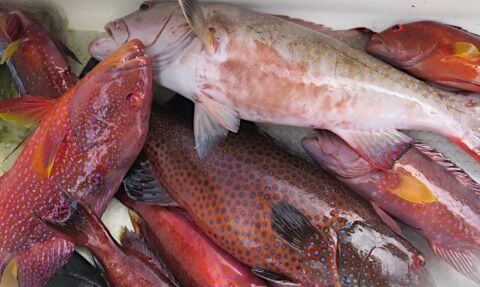
Ciguatera fish poisoning is a type of food poisoning caused by consuming certain fish that live in tropical and subtropical coral reef areas such as Moray eel, Grouper, Star snapper, Japanese scavenger and Parrot fish.
It is caused by toxins such as ciguatoxin, but it mainly generates from dinophyceae that are stuck to algae. The process of ciguatera occurring involves the food chain. Even if a fish itself doesn’t originally contain toxins, an herbivorous fish may eat algae that turns it toxic. That fish may be eaten by a carnivorous fish, which then accumulates high concentrations of ciguatera in its body. When a human consumes the carnivorous fish it can cause food poisoning in the human. There are as many as 300 species of fish that contain ciguatoxin. The ciguatoxin, which causes the food poisoning, cannot be killed by boiling or grilling, so it can’t be prevented through food preparation.
Symptoms of this food poisoning mainly consist of sensory nerve abnormalities, muscle soreness, itchiness and abdominal pain, but it is rarely fatal. However, it takes quite a long time to recover from compared to other toxins and the average recovery time is said to be two to three weeks. It is vital to diagnose ciguatera fish poisoning as soon as possible. Most symptoms develop within one or two hours and up to to 24 hours after consumption and one unique symptom is dysthermesthesia. This is a form of dysesthesia in which touching cold things feels like its burning. It occurs one to two days after the poisoning and is a known characteristic of ciguatera fish poisoning. Another characteristic symptom of ciguaterafish fish poisoning is joint pain within 24 hours after consuming the fish. In any case, it is important to be seen by a specialist as soon as possible.
Incidentally, the name ciguatera came from Spanish immigrants to Cuba as a name for food poisoning caused by the cigua shellfish in that region. Later it was also used to describe fish poisoning, which causes similar symptoms.
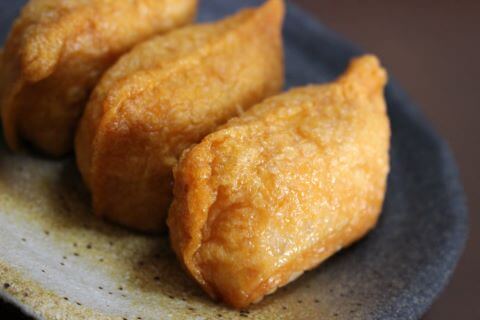
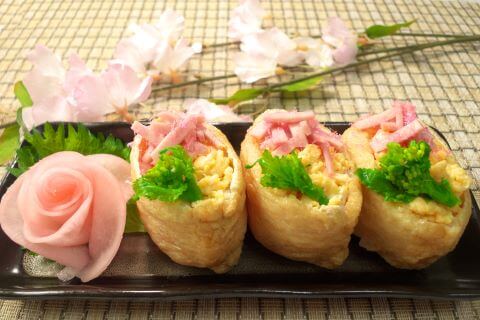
Inarizushi is a simple yet deeply flavorful type of sushi made with just two main components: vinegared rice (sumeshi) and seasoned fried tofu pockets (abura-age). Sometimes the rice is mixed with finely chopped ingredients like simmered carrots or shiitake mushrooms, adding subtle depth to the flavor. This apparent simplicity gives chefs the freedom to showcase their creativity through delicate seasoning and presentation. While its precise origins are unclear, Inarizushi is believed to have emerged toward the end of the Edo period (1603–1868).
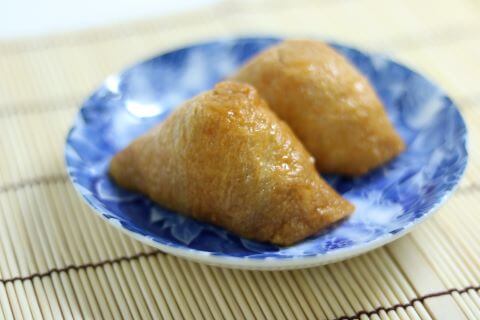
In Eastern Japan (such as the Kanto area), Inarizushi is often shaped like a bale or rectangular pouch and features a strong sweet and salty flavor profile. In Western Japan, particularly the Kansai region, it tends to be triangular and lighter in flavor, with a noticeable emphasis on the umami of dashi (soup stock). These regional styles reflect not only taste preferences but also local food culture and beliefs.
Type of Inarizushi
When categorized based on shape, the types of Inarizushi are bale type, triangle type, open type and roll type. They can also be categorized by the type of rice stuffed into the fried tofu (abura-age): either white vinegared rice or vinegared rice mixed with other ingredients. The four elements that make up the flavor are sweetness, soy sauce, soup stock and acidity, and the balance is very important. In the east of Japan the flavor tends to be a stronger sweet and salty while in the west the soup stock is more apparent.
Here we will explain the characteristics of Inarizushi using categories based on appearance.
Bale Type
Inarizushi seems to be a version of Sugatazushi. Perhaps the Sumeshi is stuffed into the fried tofu instead of into a fish (a hypothesis). When looking at literature from the Edo period, there is Inarizushi in the form of a long rod that was cut up and sold. Someone probably thought that if they were going to cut it up into bite-size pieces anyway, they may as well make it in easy-to-eat sizes in the first place (an inference). There are some shops that still sell Inarizushi in long rod form, but the difference is probably in how the fried tofu is cut. You can find this from Sekigahara, Gifu and further eastward.
Triangle Type
Why is the appearance triangular? There are many theories, but the most plausible is that these are meant to be shaped like a fox ear. Inarizushi originated as an offering to the Inari god at festivals. The Inari god is the deity of agriculture and patrons pray to this god at Inari shrines. The head Inari shrine is Fushimi Inari Taisha in Kyoto. Legend has it that fried tofu is a favorite of foxes, who are said to be messengers of the Inari god, so it was made into the shape of fox ears. Another theory is that it is the shape of Mt. Inari where Fushimi Inari Taisha is located. Apparently this is because the triangle type originated at Fushimi Inari Taisha. However, Inarizushi shops in Kansai use lucky bale shapes in order to pray for prosperity in business. On the other hand, Inarizushi made at home or in soba restaurants are usually triangular. This type is found from Sekigahara, Gifu and westward.
Open Type
The open type is a revolutionary style. How it came about is not clear, but perhaps someone just stuffed it too full of ingredients. Since the ingredients are visible, it looks even more delicious than normal Inarizushi. It’s really beautiful when many are lined up. You can imagine how this served as inspiration to those who went on to add a variety of ingredients. It’s also easy to make since all you have to do is fill it with ingredients. It is now widely recognized for its aesthetic appeal and versatility. Open Inarizushi has spread internationally and has become a beloved style in countries such as France, South Korea, Australia, and Singapore.
Roll Type
Almost all roll-type Inarizushi in Japan is made with a dried fried tofu from Kumamoto called Nankanage. Unlike normal fried tofu, it looks like paper in the shape of a sponge and does not form a bag. That’s why the only way to use it was by wrapping it around the rice. Also, this method might have emerged as a practical solution to avoid tearing the tofu while stuffing it.
Summary
Ignoring whether or not it is true that carnivorous foxes really love fried tofu, apparently the foxes that serve as messengers to the Inari god do love it. As foxes were thought to be delivering prayers to the Inari god, their favorite fried tofu was given as an offering to stay on the fox’s good side. After that, they started the practice of stuffing rice that was grown with the blessing of the Inari god. As you can see, Inarizushi is the combination of two ingredients involving the Inari god.
There are many things that fall under the term “sushi”.
Within Japan, every prefecture has at least one type of local sushi. In order to understand these different types more deeply, we have separated them into categories and will introduce the typical types.
First of all, there should be rules when categorizing things.
However, there are loads of things in this world that seem to have been categorized without any rhyme or reason. The same thing applies to the words used to express sushi categories and types of sushi. This stems from a complete lack of understanding of the history of sushi and how it is made. However, in the end, sushi is food, so there is no academic dissertation on it. Please consider this to be just one point of view when reading the following.
We will first categorize the sushi with clear rules and then introduce individual sushi.
There are various theories regarding the etymology of the word sushi, but the word stems from “su” which is the kanji for “acid” and means “sour”. Initially, “sushi” was used in Japan to refer to Narezushi*, which is eaten with the natural acidity from fermenting salted fish and white rice together. One of the theories is that it started as Sumeshi (‘su’ means vinegar and ‘meshi’ means rice in Japanese) and the “me” was omitted leaving just “Sushi”. Rice is clearly the main attraction in the word and it is thought this word was used to refer to “Namanarezushi**”, which appeared in a time after Narezushi. Although these are only theories, it can only be called Sushi if sour rice is involved. I don’t believe there is anyone who would dispute this fact.
*Narezushi: Mainly made from seafood, rice and salt, allowed to ferment for three months to one year until the rice no longer maintains its shape. Only the fermented seafood is consumed with this type of sushi. Funazushi from Shiga is a famous example of Narezushi.
**Namanarezushi: It is not allowed to completely ferment (fermentation period of two weeks to one month) so both the fish and rice maintain their shapes. This is when sushi evolved from Narezushi, a dish in which the rice was not eaten, to one where the fish and rice were consumed together. Akita’s Hatahatazushi and Ishikawa’s Kaburazushi are famous Namanarezushi dishes.
The historical turning point of sushi was the emergence of what is called Sumeshi (also called Hayazushi because it can be made quickly), in which the sour taste comes from sprinkling vinegar on the rice (acetic acid), rather than the sour flavor from fermenting (lactic acid) at the beginning of the Edo period. It was Sumeshi that really made variations of sushi catch on. At the time there were only Sugatazushi*** and Kokerazushi**** (the original forms of Hakozushi), but after the middle of the Edo period Makizushi, Inarizushi, Chirashizushi and other types started to appear.
***Sugatazushi: Sushi in which Sumeshi is wrapped into a fish that still has its head intact. Tokushima’s Bouze, Wakayama’s Sairazushi, Kumamoto’s Konoshirozushi and Oita’s Aji-no-maruzushi are examples of this.
****Kokerazushi: Kokera refers to thinly sliced seafood and this sushi is made by stacking Sumeshi and ingredients in a container. This can be found today in Osaka and Kyoto in the form of Hakozushi. Examples include Sabazushi and Hamozushi in Kyoto, Battera in Osaka, Oomurazushi in Nagasaki and Iwakunizushi in Yamaguchi.
Let’s dig a bit deeper and divide these into broad categories.
First of all, Sugatazushi and Kokerazushi are still made today as they were long ago. As one characteristic is that Sumeshi is pressed to fix it in place, it can be categorized as a type of Oshizushi.
Chirashizushi was invented in the late Edo period. When eating something like Kokerazushi in which Ingredients are cut and mixed in with Sumeshi, which is then pressed into a box and held down with a weight, it is cumbersome to scoop it out with a spatula. Chirashizushi is made in the same way but omitting the step of pressing with weights. There are various versions of Chirashizushi all throughout Japan.
There was a customer who complained that Sugatazushi always wrapped around the Sumeshi was dull and suggested wrapping the Sumeshi around the fish instead, which led to the idea of Makizushi. However, as the rice was on the outside, it would stick to fingers, so places located near the ocean started to use things like Nori, Kombu and Wakame to wrap it, while places near the mountains used things like pickled leaf mustard. The core also changed from only fish to include things like Tamagoyaki, Kampyo and carrots. These innovations all took place during the middle of the Edo period.
Inarizushi, in which Sumeshi is stuffed inside of sweet, stewed abura-age is a version of Sugatazushi. When rice crops were bad, Okara (soy pulp) was used for the filling instead. When enjoying plays, a favorite pastime of the Edo period, it became a normal occurrence for commoners to take it as a bento. It is said that it infiltrated the masses because Nigiri sushi was outlawed, but the truth is that no one really knows when it was first invented. It’s now spread throughout the world and has evolved into something that looks entirely different and has different fillings.
It is also important to mention that the method of pressing Sumeshi in Kokerazushi was improved to start with rice made into a bite-sized ball, then sticking the fish on top before placing in a box and pressing, which eventually led to the invention of Nigiri sushi.
Looking back on this information, we can see that most of the types of sushi that exist today were invented during the Edo period. Narezushi and similar dishes prior to that seem to be more like methods to make the meat of fish last a long time, rather than sushi in which rice was part of the meal. And Namanarezushi, where the rice was also consumed but ready-made vinegar wasn’t used, is categorized as “Others” when categorizing present-day sushi.
Another difficult one to categorize is the Uramaki version of Sushi rolls. Uramaki is differentiated from Hosomaki, which is a type of Makizushi. However, it has already far outperformed Hosomaki. The reason is that the ingredients used in Uramaki are mostly things that were never used in Hosomaki, and Uramaki allows for a lot of freedom in method. Now there are also versions that don’t use Sumeshi (although they can be left out of sushi categories altogether). In these versions of Uramaki, the ingredients are clearly the main attraction, rather than the Sumeshi. Therefore, they are considered to be evolved from Hosomaki and should be made into one category. Although Makizushi is generally translated as “Sushi roll”, we will consider them separate categories for our purposes.
There is a debate in Japan as to whether Gunkanmaki is categorized as Nigiri sushi or not. The reason is that Nigiri sushi is made by squeezing (nigiri) Sumeshi in the palm of the hand, while this same squeezing process is not as apparent in Gunkanmaki. Makizushi is made by wrapping Sumeshi around ingredients using a Makisu (Bamboo mat), but Gunkanmaki uses no such thing. Even whether or not the process of adding Nori around the Sumeshi for Gunkanmaki is actually wrapping or not is a bit ambiguous, so it’s not clear if it should be categorized as Makizushi or not. However, the issue is only which category it should be added to and it should not be made into its own category. We will consider it a type of Nigiri sushi as the process does include some light squeezing of the Sumeshi.
While we’re on the subject, it is incorrect to call Sashimi and Seafood bowls types of sushi. There is no Sumeshi involved in Sashimi. Seafood bowls also use normal white rice, not Sumeshi. Hopefully you have a better understanding now.
In conclusion, the biggest point in categorizing is whether it is Sushi that uses Sumeshi made with ready-made vinegar (Hayazushi), or Sushi where the sourness comes from fermentation (Narezushi, etc.). Next, in order to further categorize Hayazushi, it is important to distinguish whether similar methods are used to make it and if the Sushi evolved from another, earlier form of Sushi.
Our results are that seven categories are appropriate for understanding sushi better.
Nigiri sushi is generally made with raw seafood. It can be said that the seafood starts to go bad as soon as it is put on warm rice. Of course, at the stage of preparation, there are procedures being taken to reduce the causative micro-organisms of food poisoning. Out of all food that is commonly eaten raw, sushi is considered to have the least micro-organisms that cause food poisoning.
For example, Vibrio parahaemolyticus, a typically known bacteria that causes food poisoning, attaches to seafood, and if the conditions, such as temperature, are just right, it proliferates at double the speed of other food poisoning bacteria. When you are eating at a sushi restaurant, bacteria growth is being suppressed. However, if you take sushi home to eat it, depending on conditions bacteria could proliferate.
This is why as a basic rule, you cannot take sushi home from a sushi restaurant.
So then, what is the difference between sushi sold at the grocery store and prepared at sushi restaurants?
There are obvious differences between sushi made by sushi chefs and take-out sushi, as explained below.
Take-out sushi is lined up at the store, selected by the customer, then eaten at home, which takes time. Therefore, a higher amount of salt seasoning is used compared to Nigiri sushi restaurants, in order to delay the degradation in quality. Sushi made by sushi chefs at restaurants has a salt content of about 1% in the sushi rice, while that of take-out sushi has about a 2% content.
Next, with a pH of around 4.5%, it is difficult for bacteria such as Salmonella, Staphylococcus aureus, E. coli bacterium bacteria and Vibrio parahaemolyticus to proliferate, and there are experimental results that show they die out. In an experiment that measured the pH of sushi rice in take-out sushi, it was usually measured at 6%. Nigiri sushi made at a restaurant is often around 6.2%, so this acidity is put to good use in the sushi rice and could be delaying degradation.
Furthermore, although it may not be a pleasant topic of discussion, preventing spoiling and deterioration in food caused by micro-organism is done by adding preservatives to improve the shelf life. For example, classic preservatives such as benzoic acid, Sorbic acid and PH adjusters are used all over the world. There is an obligation to list these on the product label when used.
Now let’s get into the main topic.
This all being said, sometimes when you buy take-out, there are leftovers. There is no question that it is better to promptly discard them. But you may think that you can just eat it the next day, right?
You can. And it will taste the same as when you bought it.
First of all, there is something important to remember; not all toppings are equal in take-out. Unfortunately, things that require freshness like shellfish, squid, mackerel and sardines, cannot be saved. These must be consumed on the day they are bought.
Next, let’s go over how to eat your day-after sushi so that it still tastes good.
The toppings this method works for are tuna, salmon, white fish and steamed shrimp. However, the only white fish it works for are benthic fish such as flounder. As long as the meat is still transparent the next day, it’s safe. For Hamachi, which always has more than 20% body fat, which oxidizes, so avoid keeping it to the next day. Raw shrimp is out too. Steamed shrimp becomes more delicious when quickly put into sushi vinegar for storage.
The method is simple!
First, remove the Nigiri sushi topping from the rice. Next, wash that topping with running water for a few seconds and then dry well with a paper towel. Make sure you are quick in all of these steps. Finally, wrap in plastic wrap and store in the refrigerator.
Next, use a wet paper towel to wrap the sushi rice. Wrap this set in plastic and put it in the vegetable drawer if possible. If you don’t have a vegetable drawer than the normal refrigerator compartment is fine.
The next day, when you are ready to eat, heat the sushi rice in the microwave at 1000W for 10 seconds. The point is just to warm it up a little. Next, just take the topping from the refrigerator and place it on the rice. You can add some wasabi if necessary.
Incidentally, if you use this method for take-out sushi, even when consuming it on the same day, it will taste even better than just eating it right away.
The practice of sushi chefs is to put somewhat cold sushi toppings (16~19℃) or room-temperature toppings (20~23℃) on top of sushi rice that is the same temperature of the human body (37℃). We are trying to imitate this method. If you are consuming on the same day, any topping can be removed from the rice and prepared like this.
But please do not wait any longer than the next day to eat any leftovers.
Do not bend this rule. Let me warn you that the symptoms of food poisoning from shellfish and silver-backed fish are horrible. It should also go without saying that if the sushi rice has already dried out, there is no bringing it back, even with this method. Once you’ve reached that point, you just have to throw it away. Naturally, you cannot eat smelly sushi toppings.
Tuna fishing methods include Purse seine fishing, Fixed-net fishing, Drift-net fishing and Longline fishing, among others. Ocean fishing for tuna in the South Pacific Ocean, Indian Ocean and Atlantic Ocean, is often done by longline fishing. A main line can exceed 150 km in length and have over 3,000 hooks hanging from it. A main line is let out for 6 to 7 hours, and it takes 3 to 4 hours from running the line in the sea, to catching tuna. After that it takes another 10 to 15 hours to reel it up, so the tuna that was caught early may have already died during this time. There are times when sea water may feel warm to the touch, even in the dead of winter. The problem here is, that the body of the tuna that died early, will be warmer if the sea water is warmer. The body temperature will also be unusually high if a tuna caught by a hook ends up struggles for a long time and dying before being reeled in. The same is true for Kuromaguro caught in game fishing.
When this tuna is cut into pieces, the meat is whitish, as if grilled in a fire, so it is called “Yake (焼け)” or “Yake-maguro (焼け鮪)” as “Yake” means “burnt” in this case. The meat can also be a grayish-brown. In the industry it’s known as “White tuna” due to its color. It loses its characteristic red color, the texture of the meat when eating it is flakey and it doesn’t taste good.
Even if the fish body is cooled with ice water after catching, once the meat has been “burnt”, it won’t turn back to red. This renders even the premium Pacific bluefin tuna and southern bluefin tuna worthless, with zero commercial value as food. However, the fishermen don’t just toss the dead fish back into the sea without a second thought. This is mostly processed into pet food. Also, since it can’t be determined externally whether the meat is “burnt” or not, no one can tell until the fish has been cut open. It runs a big risk to the broker and can be a cause of its fishing port brand losing credibility.
It is currently believed that burnt tuna occurs from high temperature and low pH in the muscles of the fish after death, and that there is a complicated, indirect causal relationship between the conditions such as the environmental temperature, fishing method, handling of the catch, length of processing time, type of fish and size of fish. However, the mechanism that causes this phenomenon is not clearly understood.
No people in the world love squid more than the Japanese. Squid ranks third in import volume behind shrimp and tuna. Squid is brought to Japan from the oceans all over the world. There are between 400 and 500 species of wild squid on Earth. Some, like the pygmy cuttlefish, are tinier than 3 millimeters while the giant squid is over 10 meters.
There are about 100 species of squid that live in the waters surrounding Japan. Surume ika (Japanese common squid) makes up the highest volume of domestic-caught squid. It is used as a Yari ika or Surume ika topping in eastern Japan, but Surume ika isn’t used very often in western Japan. At sushi restaurants, squid like Sumi ika (Golden cuttlefish), Aori ika (Bigfin reef squid), Kensaki ika (Swordtip squid) and Mongou ika (Ocellated cuttlefish) go for high prices, but they are all caught in smaller quantities and therefore only available to high-end sushi restaurants that can procure them fresh.
There are some conveyor belt sushi restaurants that list Mongou ika (モンゴウイカ又はカミナリイカ) on the menu, but actually serve European common cuttlefish. It is produced in the waters off the coast of West Africa. Even some sushi restaurants do this. This is actually still too pricey for conveyor belt sushi though. What is generally used at conveyor belt sushi is Flying squid, which goes for only 1/10 the price of the European common cuttlefish and reaches 60 cm in length. Jumbo flying squid is also often used. The Jumbo flying squid is more than twice as long as the Flying squid and exceeds 1 meter in length. The Jumbo flying squid is mainly imported from places on the other side of the world such as Chile and Mexico. The thickness of the meat is similar to Mongou ika. However, a big drawback is that the Jumbo flying squid lacks the sweetness peculiar to squid. Therefore, it is soaked in water that has been artificially sweetened. This alters the dried out sensation to a plump, moist sensation, making the customer believe it is Mongou ika.
The squid must have a certain thickness in order to masquerade as Mongou ika. Rhomboid squid, which has a torso length of 80 cm is also disguised as Mongou ika. Rhomboid squid is found in the warm waters of the world and is even caught in relatively high volume in Japan. Large squid have a low price cost, so it’s good for the shops to make a profit. Furthermore, the sweetness is brought out more when frozen first than by serving it fresh. That means it can be used as Mongou ika without any need for the artificial sweeteners used in Flying squid and Jumbo flying squid.
The fact is that there are many substitute products for Mongou ika. But even so, it doesn’t change the fact that using ingredients disguised as others is an unacceptable practice.
Types of substitutes for the Mongou ika
European common cuttlefish: Sepia officinalis (Linnaeus, 1758)
European common cuttlefish (ヨーロッパコウイカ) is found from the Atlantic coast of France to the Mediterranean and west coast of Africa. It is often caught in the waters around Morocco. Its body length is around 30 cm. When it first arrived on the Japanese market, it was called Mongouika, hence the name.
The scientific name sepia means black pigment and officinalis means medicinal, indicating that this is a material for Chinese herbal medicine. At processing plants in Thailand and China, the fish is made into fillets for sashimi, and then vacuum-packed and sent to Japan.
Flying squid (アカイカ) is distributed in the North Pacific, South Pacific, and Atlantic Oceans. Its body length exceeds 40 cm, and it can weigh more than 4 kg. It is similar in appearance to the Surumeika, but has a darker, blackish back. It is used as a substitute for Surumeika for processing such as delicacies.
Jumbo flying squid (アメリカオオアカイカ) is found only off the Pacific coast of the United States, Chile and Peru in South America. They are over 80 cm in length, weigh around 10 kg, and have as many as 100 to 200 suckers. In Peru, they are called Pota. Japanese fishing vessels used to catch flying squid mainly in the North Pacific, but their catch has drastically decreased due to the ban on drift net fishing.
Japanese vessels have switched to fishing for Jumbo flying squid, a member of the flying squid family, in the waters off Peru and other areas. Fishing for Jumbo flying squid in Peruvian waters continues from spring to fall.
Since the drifting net fishing of flying squid has been banned, it is the most promising resource as a raw material for processing. However, the larger ones store ammonia in their muscles, so de-ammonia treatment is required when processing them.
Rhomboid squid (ソデイカ) is widely distributed in the warm waters of the Pacific and Atlantic Oceans. The body length is 70 cm. Its fins are diamond-shaped and the same length as its body. Because they do not form large schools and live scattered, they have been a difficult resource to exploit.
After a new fishing method was developed in the Tajima region of Hyogo Prefecture in the 1960s, the fishery began in earnest. Because of its reasonable price, it is often used in restaurants such as conveyor belt sushi restaurants. Also called Diamond squid or Diamondback squid.
It’s won’t hurt you to eat Magaki (Japanese oyster), which has its spawning season in the summer, but in the months with no R in the name, the glycogen concentration is low, so you can’t get the full-bodied texture that you get in winter. In addition, almost all amino acids such as glutamic acid, glycine, alanine, arginine, which are important components for delicious flavor, are known to accumulate from winter through spring, and conversely, they decrease in the summer, which is the spawning season. You cannot expect the same deliciousness from oysters in summer as you can from months that contain the letter R.
Furthermore, the oyster takes in large amounts of seawater and filters out the plankton for its food. Therefore, in warm seasons it fills up on large volumes of the toxic plankton that proliferates in the sea. Eating toxic plankton can make the oyster toxic and toxified oysters can cause food poisoning when consumed by humans. In addition, in the warmer months, the oyster loses its freshness faster after being harvested, increasing the likelihood of getting a bad one and risk food poisoning. Therefore, it’s best to not go out of your way to eat oysters in summer.
On the other hand, one certain oyster is actually in season in summer.
Iawagaki (Rock oyster) is known as the summer oyster. This type is close to the Magaki, and it lives attached to reefs at depths of 2 to 20 m, deeper than the intertidal zone and facing the open sea. A large Iwagaki has a shell length of 10 cm, a shell height of 20 cm or more and weighs more than 1 kg. However, the edible part is small compared to the size of the shell. It is an oviparous hermaphrodite. Growth is slow at a rate of around 5 cm in one year, around 7 cm in two years. It takes three to four years to reach 10 cm or more and grow big enough to harvest.
The glycogen volume in Iwagaki is high from March to July, peaking around May, and it then decreases from September to October. The main production areas are the Sea of Japan on the coasts of Akita, Yamagata, Niigata, and Tottori. Many of the Iwagaki in circulation are harvested from the wild, unlike Magaki, which is almost all farmed.
For any business to prosper, it aims to sell its products at the highest possible price that customers are willing to pay. So how does a chef determine the price of nigiri sushi?
Naturally, the cost price is what it costs the restaurant for the ingredients while the price on the menu is the selling price. The ratio between these two is called the “cost ratio.” In the case of a sushi restaurant, the ideal cost rate is 35% or less. A restaurant operating with only Omakase will have a cost rate of 40% with a focus on the quality of the toppings.
For sushi restaurants, handling of this ratio and the yield are very important. Yield refers to the part of the purchased fish and shellfish that can actually be used. For example, when purchasing a whole fish there are bones, skin, eyes, tail and internal organs that cannot be served as sushi or sashimi. Even the most skilled chef cannot eliminate bones or skin. In other words, the yield rate is the percentage of parts that can be used as sushi or sashimi. Typical fish yield rates are as follows:
The weight of just the topping for a single piece of nigiri sushi is 12 to 18 grams, depending on the ingredients and the policy of the restaurant. The market price for rice is said to be about US$5 per kilogram, and assuming a weight of 15 grams per Nigiri, the rice for a piece of sushi is generally said to cost about US$0.05, including vinegar and salt. Even if you count the shari (sushi rice), soy sauce, wasabi, nori, etc., it’s fair to consider the cost to be about US$0.10.
Now, let’s figure out the price of Hirame, for which 3 kilograms were bought at $60 per kilogram. Assume that the weight of one topping is 15 grams.
The yield rate of Hirame is 40%, so the chef can make 1,200 grams of sushi toppings from 3,000 grams of Hirame. (formula: 3000 g × 0.4 = 1200 g). Since the weight of one topping is 15 grams, 80 pieces of sushi can be made from 3,000 grams of Hirame (1200 g ÷ 15 g = 80 pieces).
Next, we calculate the cost of one topping. Hirame is US$60 per kilogram, so US$180 (US$60×3 = US$180) for 3 kilograms. Since this volume can yield 80 pieces, the cost of one topping is US$2.25 (US$180÷ 80 pieces = US$2.25).
Add the shari price of US$0.10 to this: US$2.25+0.1=US$2.35. In other words, the cost of one Hirame nigiri sushi is US$2.35.
If the ideal cost ratio of 35% is applied here we get 2.35÷0.35 (35%) = US$6.71. For a restaurant serving mainly Omakase, 2.35÷0.4 = US$5.88.
In summary, one piece of Hirame sushi is sold between $5.88 and $6.71.
This may seem surprisingly affordable, but if you run the same calculation for kuromaguro (bluefin tuna) or uni (sea urchin), the price can reach US$60 to US$90 per piece—suddenly making it feel expensive. Therefore, the total margin is secured by setting the cost rate for Kuromaguro and Uni to 80-90%, while the cost rate for Saba and Ika is set to 10-20%.
In other words, a sushi restaurant does not determine the price of each piece in isolation. Instead, it balances profitability across the entire menu. Expensive items such as kuromaguro or uni are often sold at a high cost ratio, sometimes close to break-even, because they attract customers and enhance the restaurant’s reputation. On the other hand, more affordable ingredients like saba or ika are priced at a lower cost ratio, which helps support the overall profit margin. This cross-subsidization allows the restaurant to offer both luxury toppings and everyday favorites while maintaining sustainable business operations.
At the same time, the price of sushi is not determined by cost calculations alone. Factors such as the restaurant’s reputation, location, and the value customers perceive in the dining experience also play a decisive role. A well-established sushi restaurant in a prime location can charge higher prices for the same piece of nigiri than a small neighborhood shop, because guests are willing to pay not only for the sushi itself but also for the atmosphere, craftsmanship, and prestige that come with it.
This Inarizushi (Inari sushi) recipe was devised by a sushi chef of a popular restaurant.
First of all, sushi rice made for Inarizushi can be used for a wide variety of uses including Uramaki and Chirashizushi, so it could be useful to learn. However, the recipe is slightly different than Nigiri sushi. The reason is that in the case of Nigiri sushi, the topping is typically one type of seafood combined with a sushi rice recipe that maximizes the flavor of that seafood. On the other hand, Inarizushi, Uramaki, etc., are filled with optional ingredients put together to enjoy multiple layers of flavors spread in your mouth. The sushi rice is essential to harmonize all the ingredients. Therefore, it is made with more sugar than Nigiri sushi. In addition to toning down the sourness of Vinegar, the sugar’s own richness works to bring out a mellow taste. Kombu is also added to the rice while it is cooking. The aim here is to create a synergy between the Inosinic acid contained in Kombu and the Umami of the other ingredients.
How to make Sushi rice
① Start by making Awasezu (the ingredients are included below). Put the Komezu, Cane sugar and salt in a saucepan and stir over low heat until the cane sugar melts. Then turn off the burner and allow it to cool.
② Next, make the sushi rice. Wash the rice and add a little less water than the measurement on the side of the rice cooker bowl. Add the Kombu and cook it to a consistency that is a bit tougher than usual. Don’t forget to take the Kombu out once the rice is done cooking.
③ Spread the cooked rice in as large a bowl as possible and pour all the Awasezu over it.
④ Use a paper fan to fan the rice while you mix it with a flat rice scoop (shamoji) by cutting through the rice at an angle, making sure not to mash the rice.
Ingredients of Sushi rice
Rice:540cc
Water:490~500cc
Komezu (rice vinegar):150cc
Cane sugar:4 tbsp and 1 tsp
Salt:2 tsp
Kombu:1 piece about 2 cm x 2 cm
How to make Inarizushi
① Spread the deep-fried tofu on a cutting board and roll it out with a rolling pin until it is completely flat. This helps to loosen the inside of the deep fried tofu so it will open easier. It might seem like a hassle, but it will help you make Inarizushi that looks even better.
② Boil water in a pot, add the deep fried tofu and boil for one minute to remove the oil. Drain it in a colander and let the deep fried tofu cool just enough to touch it before cutting it in half.
③ Combine the Nijiru ingredients in a saucepan and once the sugar has melted, add the cuts of deep fried tofu. Put a lid on the pot and allow to simmer for about five minutes. Turn off the burner and let cool. If you have a wooden or stainless steel drop lid you can use that too, but if not you can use aluminum foil and a flat dish instead.
④ Squeeze the juices out of the cooled deep fried tofu, and open the saccate, being careful not to tear it. Pack the prepared sushi rice and ingredients inside. Pack the sushi rice so that the center of gravity is toward the bottom and the Inari can stand up. If you keep the bottom flat, it won’t topple over. Make sure not to mash the grains while packing the rice in. You can add any ingredients that you like. You can even cut up the ingredients in advance and mix them in with the sushi rice. If you choose not to add additional ingredients and only make it with sushi rice, you can seal the deep fried tofu. Inarizushi filled with ingredients you can see is the open version and is the standard way of making it in places like Singapore and Paris.
Nijiru (broth) ingredients
Bonito stock: 500 cc
Soy sauce: 150 cc
Mirin: 200 cc
Cane sugar: 3 tbsp and 1 tsp
This recipe yields enough Nijiru for three sheets of deep fried tofu that are about 16 x 8 cm. The sushi restaurant recipe calls for boiling a large amount of Nijiru and simmer for a shorter amount of time. However in general home recipes call to boil until the Nijiru evaporates.
Inarizushi is a type of sushi that anyone can make easily. Just take these few tips from a sushi chef and you’ll be making delicious Inarizushi. Why not try it out as an appetizer for your next party? Just for your reference.
White wine is generally thought to go well with fresh seafood.
For example, every Frenchman knows that Chablis wine and Belon oysters go together like peanut butter and jelly. The soil of Chablis is made of the stratum that dates back to the Kimmeridgian age and a unique characteristic is that the soil is rich in fossils of small oysters and shellfish. That is why oysters and Chablis wine are said to be the perfect pairing. However, surely there are Japanese people who sense the fishy odor when having Chablis wine and Japanese oysters (Magaki) together. Therefore, some people say that sake is definitely preferred over wine.
The reason for this is that the types of oysters in France and Japan differ.
Famous for its Belon brand name, the oyster native to Europe has a flat, rounded shell. It belongs to the genus Ostrea. To be honest, Belon oysters aren’t sweet and don’t have a distinguished flavor compared to Japanese oysters, and the salty fragrance of the sea is dulled, so it can seem less flavorful.
Meanwhile, the Japanese oyster is elongated and shaped like a raindrop. It is characterized by a smell like it swallowed the whole ocean. This is the main species farmed in Japan. It belongs to the genus Crassostrea. The taste is as if the umami components of the sea have all been concentrated together in one little shell.
Going back to pairing Chablis wine with oysters, it’s common sense in the world of flavors that items with basically similar components pair well together.
The issue lies in how wine is made. Chablis wine contains lactic acid because it is made through forced mal-lactic fermentation. Because it contains this lactic acid, it is partially fighting against the Belon oyster, which has a high glycogen content. In addition, lactic acid is called “warm organic acid”, and it has the property of becoming delicious at warm temperatures. Oysters are eaten cold, so they aren’t good for taking advantage of “warm organic acids”.
Therefore, it can be said that rather than Chablis wine, it goes well with cold organic acid white wine that is delicious when cooled to 7 or 8 degrees, for example, German Franken wine.
So then, what should be done when pairing oysters with Chablis wine?!
If you insist on pairing oysters with Chablis wine, go all out and add squeezed lemon so the citric acid will work to mask the lactic acid and succinic acid, in turn making the wine taste good even when cold. Citric acid is a “cold organic acid” that becomes delicious when cooled, and oysters rich in glycogen go well with “cold organic acid”. Cold acid-based white wine is abundant in the refreshing “cold organic acids” known as malic acid and tartaric acid. Oysters lack this cold organic acid (malic acid and tartaric acid), so adding the citric acid of lemon creates an exquisite harmony.
However, in France there was a time when a disease spread that caused the death of the Belon oyster, nearly rendering it extinct. Therefore, since the Japanese oyster has been transplanted so many times, it is said that nowadays, at least 90% are Japanese oysters hybrids of Japanese oysters.
That means the question remains among Japanese as to whether the combination of Chablis wine and oysters really is a match made in heaven or not. Personally, we’ve never heard of oysters served without lemon, so the fishy smell really isn’t an issue at all in the end.
Among the many sushi toppings, Pacific bluefin tuna, and actually the Madai (Red sea bream) as well, are toppings that are difficult for an amateur to tell whether it is farmed or wild. However, there is no need to worry about that when it comes to Tako (Octopus). There are no octopus farms to be found in the world, so it is a 100% wild topping.
In Japan, domestic production isn’t enough to satisfy the appetite of Japanese who like Tako, so the majority relies on imports. Imports from Africa account for 80% and the remainder is imported from China, Southeast Asia, Mexico, Spain and other places in the world.
Most of the African imports are produced by nations on the northwestern coast, with the highest number coming from Mauritania. Until 2003 the highest volume came from Morocco for many years. However, due to continued mass catches to sell to Japan, Tako numbers dropped drastically, leading to the Moroccan government panicking and outlawing fishing. For some reason, Japanese people have grown to love Tako and now consume nearly half of the Tako caught throughout the world.
There are over 200 types of Tako in the world with approximately 60 types inhabiting the seas near Japan. Among these, the Japanese mainly only eat Madako, Mizudako and Iidako. Even among these, Madako makes up at least 80% of consumption.
Most of the Tako found at conveyor belt sushi is African Madako (Madako from Africa). African produced Tako is boiled on-site before being imported frozen. The cost is 20 cents or less per topping.
Amateurs can’t tell the difference between domestic Tako or African imports. However, there is one aspect that even an amateur can use to distinguish between the two. There is one condition for this to work, and that is that at least one of the suckers is in-tact. The suckers are scraped off for most toppings, but in cases where they are sliced by the restaurant, there are often suckers remaining. If the sucker is pure white, it is almost definitely from Africa. Meanwhile, domestic Tako suckers maintain a faint red color in the suckers, even when boiled. The reason the suckers turn white seems to be an effect of the food preservatives added during processing, but this has not been confirmed.
There happens to be a substitute for Madako as well.
One of these is the Iwadako from Vietnam, which grows as large as the height of an adult human. It is imported in frozen slices that can be used as raw Tako as soon as it thaws. The cost of this topping is 20 cents or less per piece. This ends up disguised as Hokkaido Tako.
There are also domestic substitutes. Yanagidako (Chestnut octopus) is mainly caught in the Pacific Ocean, from Chiba prefecture northward. The flavor is lighter than Madako, but it is also softer than Madako, so some people actually consider it to be better than Madako. If it is boiled and made into sushi, an amateur can’t distinguish between it and Madako. The legs are thin so they just need to be cut at an extreme angle in order to make the topping appear bigger. The cost of this topping is 15 cents or less per piece. It is also used as Mizudako because it is watery when eaten raw.
As you can see, there are also many substitute toppings for Madako.
In recent years, sushi menus have seen an explosion of creative names, many of which begin with the word “Toro.” But what exactly is “Toro katsuo (Torogatsuo),” and does it truly deserve the prestigious Toro label?
Toro is an absolute at sushi restaurants and it’s only natural to aspire to such a position. That’s why there are so many sushi dish names that start with “Toro”. The most laissez-faire of these is Toro salmon. In this case the definition of Toro is ignored in an attempt to promote sales. Just as bad is Toro katsuo (pronounced “Toro-gatsuo” in Japanese).
Katsuo is born in the warm southern seas. When it reaches about two years old it migrates north in pursuit of Iwashi and other small fish. There are two routes taken by the Katsuo that come to the seas around Japan. One of the routes rides the Kuroshio Current (a warm current) from around the Philippines, passing by Taiwan and the Ryukyus Islands, arriving in southern Kyushu. From there the Katsuo rarely heads toward the Sea of Japan and instead the majority moves northward on the Pacific Ocean side. The Katsuo migration schedule may shift depending on the temperature of the seawater and how the schools of Iwashi and Aji (which the Katsuo feeds on) are migrating that year. The first group appears around Ishigaki Island about January, then in the seas off the shores of Kyushu and Shikoku between February and March. It then moves to the seas off of the Izu and Boso peninsulas between April and June. It reaches the open seas off the southern coast of Sanriku and Hokkaido between July and September.
Another route follows the Ogasawara ocean current from below the equator in the seas off the shore of Papua New Guinea and the seas around Micronesia to the Ogasawara Islands, along the Seven Islands of Izu and approaching the open seas off the Boso Peninsula. The route then goes northward to join with the routes mentioned above.
It’s theModori-gatsuo that begins reverse migration toward the south at the beginning of autumn when the water temperatures start to drop. Katsuo has a strong appetite before returning south in preparation for the long trip. Unlike the light-flavored Hatsu-gatsuo, the Modori-gatsuo has plenty of fat and its body fattens up quite a bit. The main fishing locations for Modori-gatsuo are in the northern Pacific, such as the waters off the shore of Sanriku. This is the season when it is truly worthy of the name Toro katsuo when served raw, and nothing else should be called by the same name.
When served at its peak in early autumn, Modori-gatsuo truly lives up to the name “Torogatsuo”—a seasonal delicacy that offers the richness and depth sushi lovers crave.
Warisu is diluted vinegar, typically used for gently curing fish in the Sujime process. It is less acidic than undiluted vinegar, making it suitable for preserving delicate textures and flavors. Warisu refers to the vinegar used in Sujime.
The fish is first washed in water, then soaked in vinegar. When working with blue-backed fish, the smell of the fish’s fat is removed from the surface with vinegar that has been used once before (and thus has a low acidity). This is called Suarai. When preparing fish with Sujime, cooled Warisu is used, made either with a 10 to 3 ratio of vinegar to ice, or the same ratio of vinegar to cold water. Vinegar with a high acidity that hasn’t been cut with water only soaks the surface of the fish (denaturing it) and the vinegar does not penetrate to the inside. In addition, if the temperature of vinegar is high, such as during summer, the skin and body of the fish soften. That’s why the vinegar is diluted (acidity is between ph 3.3 and ph 3.7) and used as chilled Warisu.
How sushi chefs adjust vinegar for each type of fish
In traditional sushi preparation, vinegar is not just a preservative—it’s a seasoning tool carefully adjusted by skilled sushi chefs. The choice and dilution of vinegar used in warisu (diluted vinegar for curing) are not fixed; they vary depending on the type of fish, its condition, and even the individual preferences of the guest.
Different fish call for different vinegars. White-fleshed fish such as sea bream or flounder are delicate in flavor and low in fat. Using vinegar that’s too acidic can overpower their subtle sweetness. For these, chefs commonly use warisu made with rice vinegar, which offers gentle acidity and a clean finish that enhances the natural umami of the fish without masking it.
In contrast, blue-backed fish like mackerel or sardines are bolder in character, with strong aromas and rich oils. These require a more assertive approach. Chefs often reach for aged sake lees vinegar (akazu), which has deep complexity from long fermentation. However, because akazu can be quite sharp, it’s usually blended with rice vinegar to strike a balance—removing odor while drawing out flavor.
Fatty fish, such as toro, salmon, or yellowtail, pose a different challenge. Their richness can linger heavily on the palate, so vinegar is used to “cut” the fat and refresh the mouth. In such cases, a slightly stronger warisu—sometimes incorporating grain vinegar—provides the right amount of acidity to balance the richness and keep the dining experience light and pleasant.
But the decision doesn’t end with fish type alone. The condition of the fish also plays a vital role. Factors like the fishing method, season, and time since catch can all influence fat content and firmness. For instance, freshly caught mackerel in the morning may be mild, but by afternoon its oils begin to rise to the surface—prompting chefs to adjust the acidity accordingly. A winter yellowtail (kanburi), with its intense fattiness, might call for a bold akazu blend to bring out deeper umami.
Beyond the fish itself, experienced chefs also fine-tune vinegar based on the guest’s palate. An elderly customer might prefer a milder, smoother vinegar base, while a guest who enjoys bolder flavors or is pairing their meal with sake may appreciate a vinegar with more depth and presence. Some international guests, who may not be familiar with the distinct aroma of fermented vinegar, are served fish cured in blends that are gentler and more neutral in scent.
Ultimately, this level of customization reflects the spirit of sushi itself: it is not a standardized dish, but a conversation between chef and guest, expressed one piece at a time.
At the highest level of craftsmanship, chefs seek to create umami synergy—a phenomenon where the amino acids in vinegar (especially akazu) combine with the natural inosinate in fish to create a flavor experience greater than the sum of its parts. For example, a well-aged flounder paired with a carefully blended vinegar can produce profound depth, richness, and lingering satisfaction. In the language of food science, it’s a case of 1 + 1 = 3.
This thoughtful approach to vinegar usage is one of the quiet but essential reasons why great sushi tastes so perfectly balanced.
After the Sujime of the topping is finished, it is important to place it in the refrigerator and allow the meat to mature slowly. The unsaturated fats in oily fish are particularly prone to oxidation, which leads to unpleasant smells and off-flavors if the fish is not properly chilled and managed. For fish with strong fat, that fat oxidizes faster than the meat can mature, so it must be done very carefully.
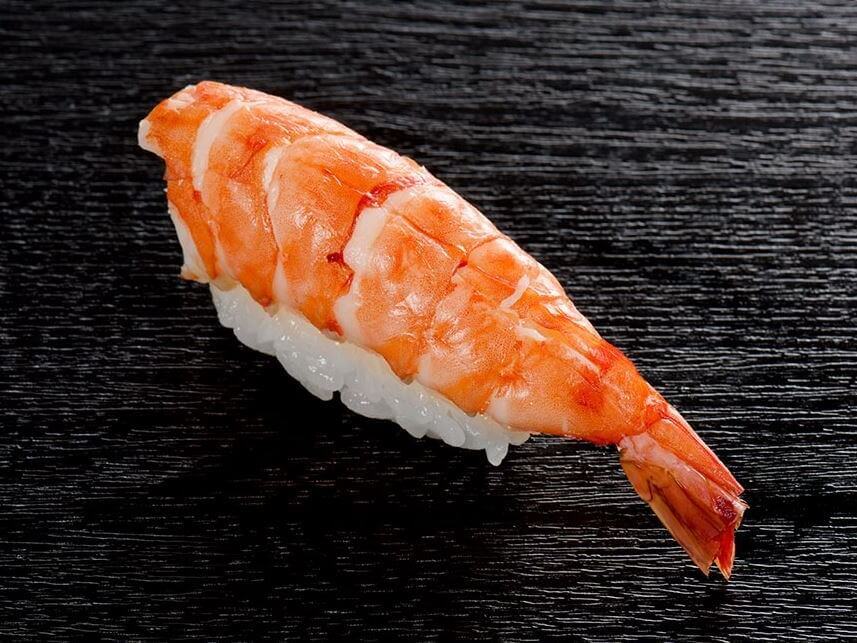
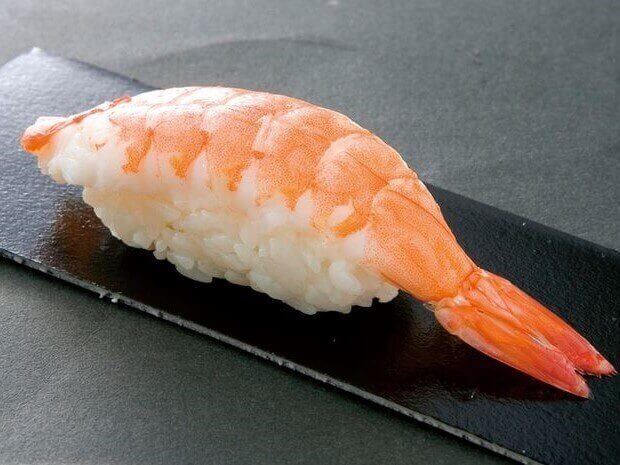
Japan leads the world in shrimp consumption by far. Most of the shrimp is imported, but it is a little known fact that shrimp is called “Meki” among importers and sushi restaurants in Japan. It is said to be a remnant from a time when much of the imported shrimp came from Mexico (pronounced “Mekishiko” in Japanese).
Shrimp can be caught within 45 degrees north or south of the equator. The caught shrimp is quick-frozen on site and then sent to Japan. Mexico was early in advanced refrigeration technology so when it became impossible to catch shrimp in the seas around Japan in the 1970s, a large volume of shrimp was already being imported from Mexico. It was around that time that importers shortened the phrase “Shrimp imported from Mexico” to “Meki”.
After that the major source of shrimp imports switched to Taiwan, which started shrimp aquaculture, and it is now also imported from Thailand, Indonesia and China. The name “Meki” stuck in the industry, despite the fact that shrimp is now mainly imported from other places in Asia.
Imported shrimp is categorized by body color tones, either brown, pink or white. The color is combined with the place of origin or country name and that is what each type of fish is called at the distribution stage. For example, they may be called Mexico brown or Guiana pink.
Well-known brown-toned shrimp include Ushi ebi (Black tiger shrimp) and Mexico brown (Yellowleg shrimp). Pink-toned types include Guiana pink (Pink spotted shrimp) and Nigeria pink ebi (Southern pink shrimp). White-toned shrimp include Taisho ebi (Fleshly prawn), Banana ebi (Banana Prawn) , Eedeavour ebi (Eedeavour prawn) and Vannamei ebi (Whiteleg shrimp). There are many sushi restaurants that use pink and brown-toned sushi that turn into a nice red color when boiled. While the meat of white-toned shrimp is soft, it turns a whitish color when boiled and doesn’t look very appetizing. However, due to the splendid, large tail, it is perfect for tempura or fried prawns.
Next, We will touch on the characteristics of shrimp that is typically imported to Japan. All these types are actually related to the Kuruma prawn, which is representative of premium shrimp and a familiar ingredient of sushi. In other words, these imports are alternatives to make up for the shrimp consumption in Japan that can’t be covered by the Kuruma prawn. Normally the head is removed, it is frozen, packed in large lots, and then embarks on the distribution channel in Japan.
There are about 27 species of kuruma prawns (Penaeus japonicus Spence Bate, 1888). The following is a list.
It is found from the Indian Ocean to the Pacific Ocean, the Malay Archipelago and Australia. The species is of considerable commercial importance in the Yellow Sea, East China Sea and Korean Bight, where it is trawled. It is sold in Korea, China, Japan and Hong Kong. This is a large shrimp that reaches up to 25 cm in body length. The appearance is similar to the Kuruma ebi, but without any special pattern. The edge of the abdomen is a dark brown color. There are 28 known species related to the Kuruma ebi. In the Toyosu market, those with a striped pattern are Kuruma ebi, and those without are Taisho ebi. In Japanese it’s been dubbed “Korai ebi” is due to the fact that it is often caught in the waters off the west coast of the Korean peninsula. The soft meat has a sweetness that makes this shrimp delicious. The number of wild Taisho ebi has decreased drastically in recent years. The coloring is lighter than Kuruma prawn and Black tiger shrimp, but darker than other white-toned shrimp. This type has a long history compared to other imported frozen shrimp and such high volumes were imported from China that it was called Chinese Taisho. It accounted for the majority of the market share until farmed Black tiger shrimp started to appear on the market.
Banana ebi (Banana Prawn /Penaeus merguiensis De Man, 1888)
It found around the northern coast of Australia from the New South Wales-Queensland border to Shark Bay in Western Australia, it is mainly caught by trawlers between Exemouth Gulf, Western Australia and Brisbane, with the bulk of the catch coming from the Gulf of Carpentaria. It weighs between 18 to 30 g per shrimp and is colored like a banana. The meat is soft and has a sweetness. Sometimes it is also sold as Taisho ebi. The body is thinner and slenderer than the Black tiger shrimp. It is available year round with peak supply in April.
Mexico brown (Yellowleg shrimp, Brown shrimp /Farfantepenaeus californiensis(Holmes, 1900))
Australia tiger (Brown tiger prawn /Penaeus esculentusHaswell, 1879)
The Australian tiger (Brown tiger prawn) is endemic to Australia and is found at depths of 15~20 meters along the coast except in the southern part of the country. Its main locality is the Gulf of Carpentaria on the northern coast of Australia. It reaches 25 cm in length but is generally 15~20 cm long.
Because of its beautiful red legs and reddish-brown stripes, this shrimp is mainly imported to Japan with its head on. In addition to its shape and size reminiscent of Kuruma ebi, it is a high-end variety that is not so tough, sweet, and has a good taste and coloration and is used in grilled dishes and tempura.
Nigeria pink ebi (Southern pink shrimp) is found from Mauritania to Angola at depths of 20~100m. It is also found in the western Atlantic Ocean from the Caribbean coast to southern Brazil.
It inhabits bottom mud or sandy mud, and sandy patches among rocks in marine environments. Juveniles are found in estuarine environments. Also inhabits lagoons. It is often used for sushi because of the soft meat, good flavor, and nice coloring. This is one of the highest grades of imported shrimp.
Mexico ebi (Northern brown shrimp, Brown shrimp /Farfantepenaeus aztecus(Ives, 1891))
Mexico ebi (Northern white shrimp) is distributed from the Gulf of Mexico to depths of up to 30 meters along the eastern coast of North America. Juvenile shrimp grows in estuaries. It is the most important species in the Gulf of Mexico, with an average annual catch of nearly 30,000 tons. On the other hand, Southern white shrimp is distributed in shallow waters from the Caribbean Sea to southern Brazil. It is almost indistinguishable from this species in appearance, but the male and female reproductive organs differ in shape.
Maximum standard length: 22 cm. It lives in bottom mud or peat, often with sand, clay, or broken shells. Adults inhabit the marine environment. Juveniles inhabit the estuarine and marine environments. There are 13 types of brown-toned Kuruma prawn in the world and the names get confusing.
Also called Golden Shrimp, Red Shrimp, Redtail Shrimp.
King ebi (Eastern king prawn /Penaeus plebejusHess, 1865)
Adults are found in marine environments while juveniles are found in estuarine environments. It is found over sandy bottoms at depths of 2-350 m or deeper.
Finally, the shrimp introduced in this section is consumed not only in Japan but all over the world. Judging by the images on social media, takeout sushi and the frozen shrimp sold at Costco are made from one of the types of shrimp described here. If you’re going to learn about sushi, it’s important to learn the types of shrimp used in sushi.
India ebi (Indian prawn/Madagascar white prawn/Fenneropenaeus indicus(H.Milne Edwards, 1837))
India ebi (Indian prawn) is widely distributed from the Philippines through Southeast Asia to the western Indian Ocean. It is especially important in the waters from the Indian coast to the western Indian Ocean.
It is a White species of Kuruma ebi and is similar in appearance to the Banana Prawn. Once the head is removed, it is difficult to distinguish between the two species. In Southeast Asian markets, both species are sold together.
Those distributed in East African waters have brownish bodies and reddish legs. It has a rich flavor and aroma and is very tasty. It is suitable for frying and tempura.
Also called Indian white prawn, Tugela prawn , White prawn.
Endeavour ebi (Endeavour prawn) are abundant in all waters except the southern part of Australia, but can also be caught in Philippine waters. It is found at depths of 20 to 45 meters. It is said to be caught together with shiba shrimp in some waters, but unlike shiba shrimp, it does not enter brackish water.
It is about 15 cm long and weighs about 17 grams. The entire body is covered with fine hair. Its scientific name is derived from the name of a research vessel, the Endeavour, which surveyed the eastern coast of Australia.

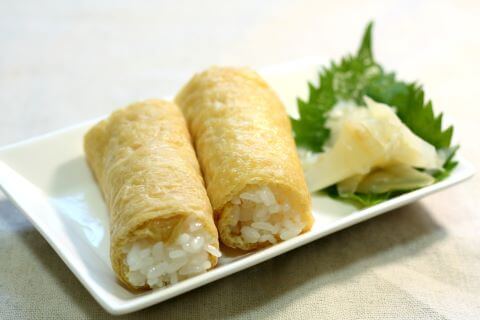 Almost all roll-type Inarizushi in Japan is made with a dried fried tofu from Kumamoto called Nankanage. Unlike normal fried tofu, it looks like paper in the shape of a sponge and does not form a bag. That’s why the only way to use it was by wrapping it around the rice. Also, this method might have emerged as a practical solution to avoid tearing the tofu while stuffing it.
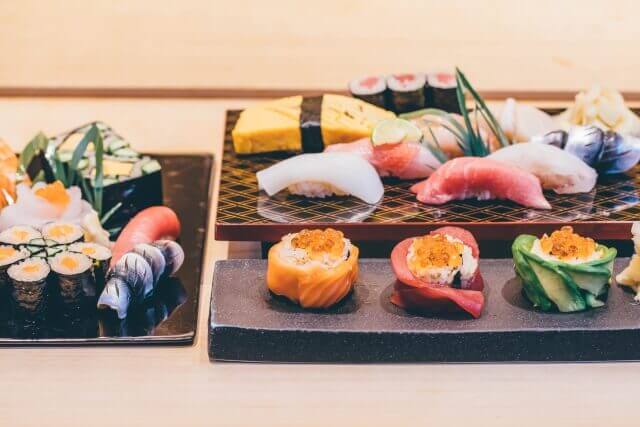 There are many things that fall under the term “sushi”.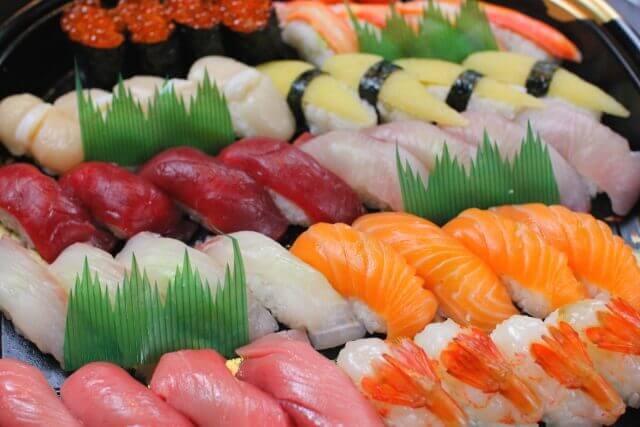
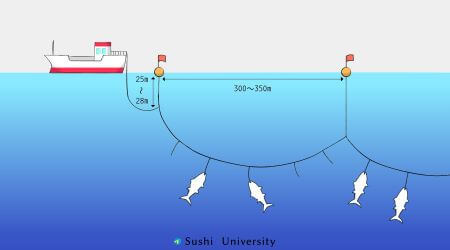 Tuna fishing methods include Purse seine fishing, Fixed-net fishing, Drift-net fishing and Longline fishing, among others. Ocean fishing for tuna in the South Pacific Ocean,
 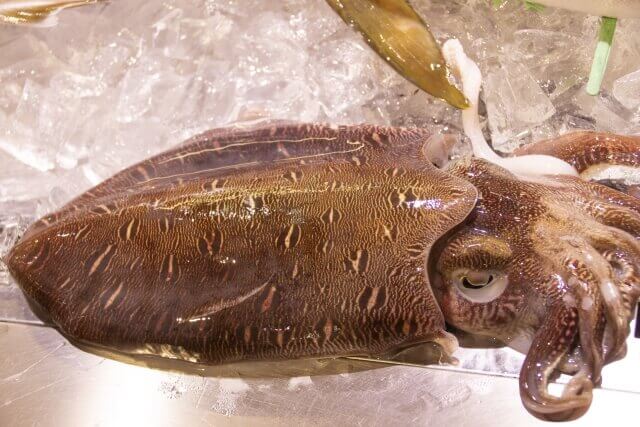 No people in the world love squid more than the Japanese. Squid ranks third in import volume behind shrimp and tuna. Squid is brought to Japan from the oceans all over the world. There are between 400 and 500 species of wild squid on Earth. Some, like the pygmy cuttlefish, are tinier than 3 millimeters while the giant squid is over 10 meters.
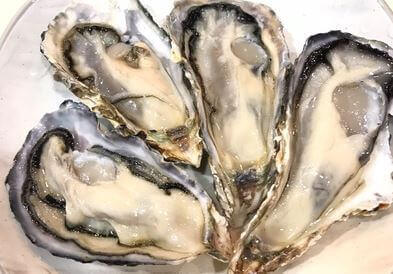 It’s won’t hurt you to eat Magaki (Japanese oyster), which has its spawning season in the summer, but in the months with no R in the name, the glycogen concentration is low, so you can’t get the full-bodied texture that you get in winter. In addition, almost all amino acids such as glutamic acid, glycine, alanine, arginine, which are important components for delicious flavor, are known to accumulate from winter through spring, and conversely, they decrease in the summer, which is the spawning season. You cannot expect the same deliciousness from oysters in summer as you can from months that contain the letter R.
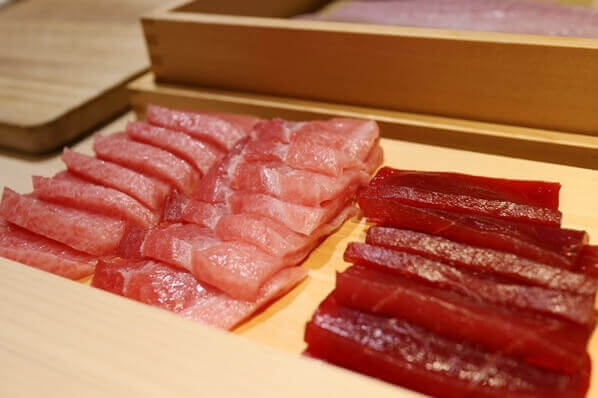 Naturally, the
 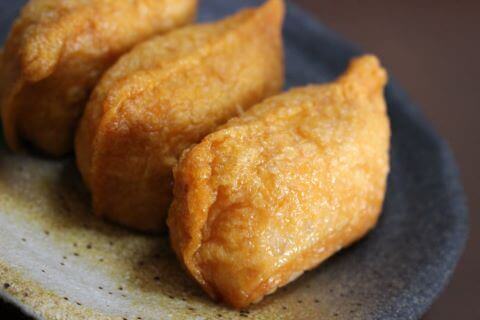 First of all, sushi rice made for Inarizushi can be used for a wide variety of uses including Uramaki and Chirashizushi, so it could be useful to learn. However, the recipe is slightly different than Nigiri sushi. The reason is that in the case of Nigiri sushi, the topping is typically one type of seafood combined with a sushi rice recipe that maximizes the flavor of that seafood. On the other hand, Inarizushi, Uramaki, etc., are filled with optional ingredients put together to enjoy multiple layers of flavors spread in your mouth. The sushi rice is essential to harmonize all the ingredients. Therefore, it is made with more sugar than Nigiri sushi. In addition to toning down the sourness of Vinegar, the sugar’s own richness works to bring out a mellow taste. Kombu is also added to the rice while it is cooking. The aim here is to create a synergy between the Inosinic acid contained in Kombu and the Umami of the other ingredients.
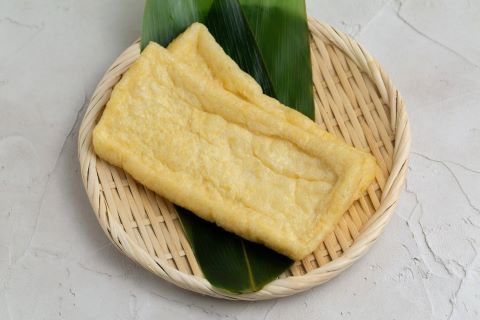 ① Spread the deep-fried tofu on a cutting board and roll it out with a rolling pin until it is completely flat. This helps to loosen the inside of the deep fried tofu so it will open easier. It might seem like a hassle, but it will help you make Inarizushi that looks even better.
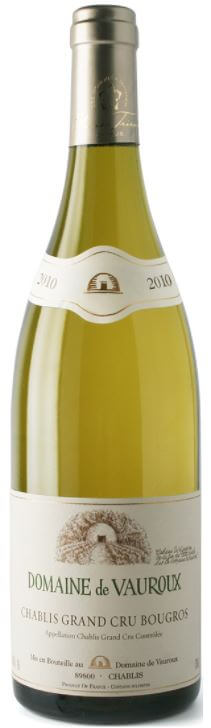 For example, every Frenchman knows that
 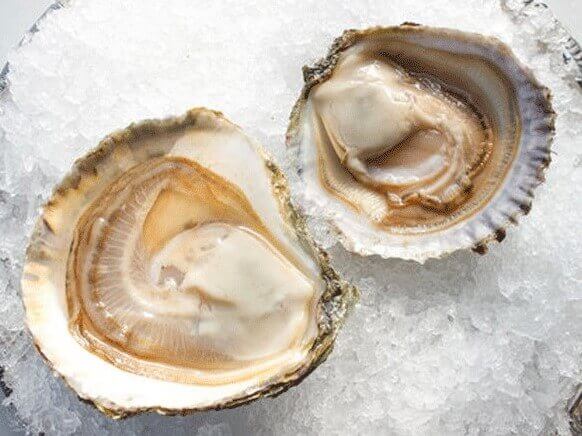 Famous for its Belon brand name, the oyster native to Europe has a flat, rounded shell. It belongs to the genus Ostrea. To be honest, Belon oysters aren’t sweet and don’t have a distinguished flavor compared to Japanese oysters, and the salty fragrance of the sea is dulled, so it can seem less flavorful.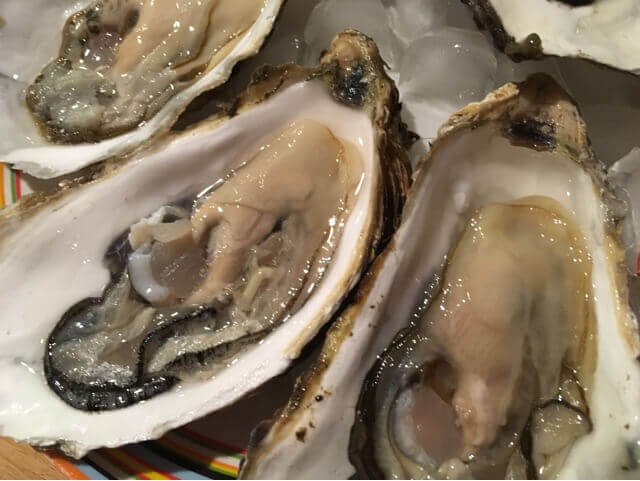
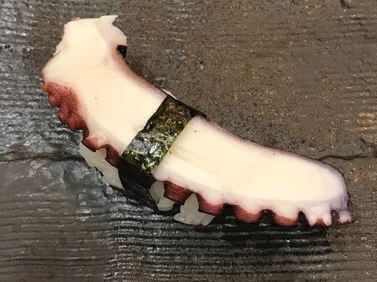 Among the many sushi toppings, Pacific bluefin tuna, and actually the Madai (Red sea bream) as well, are toppings that are difficult for an amateur to tell whether it is farmed or wild. However, there is no need to worry about that when it comes to Tako (Octopus). There are no octopus farms to be found in the world, so it is a 100% wild topping.
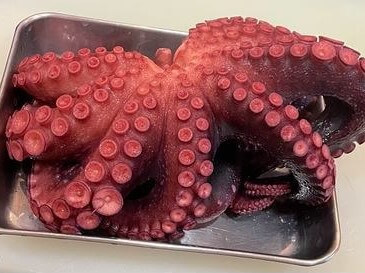 Amateurs can’t tell the difference between domestic Tako or African imports. However, there is one aspect that even an amateur can use to distinguish between the two. There is one condition for this to work, and that is that at least one of the suckers is in-tact. The suckers are scraped off for most toppings, but in cases where they are sliced by the restaurant, there are often suckers remaining. If the sucker is pure white, it is almost definitely from Africa. Meanwhile, domestic Tako suckers maintain a faint red color in the suckers, even when boiled. The reason the suckers turn white seems to be an effect of the food preservatives added during processing, but this has not been confirmed.
 Buy now
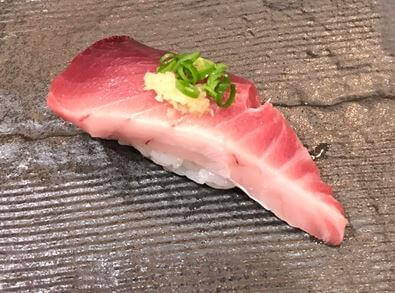 In recent years, sushi menus have seen an explosion of creative names, many of which begin with the word “Toro.” But what exactly is “Toro katsuo (Torogatsuo),” and does it truly deserve the prestigious Toro label?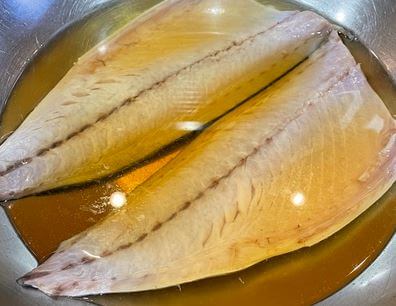
 Japan leads the world in shrimp consumption by far. Most of the shrimp is imported, but it is a little known fact that shrimp is called “Meki” among importers and sushi restaurants in Japan. It is said to be a remnant from a time when much of the imported shrimp came from Mexico (pronounced “Mekishiko” in Japanese).