Inarizushi is a simple yet deeply flavorful type of sushi made with just two main components: vinegared rice (sumeshi) and seasoned fried tofu pockets (abura-age). Sometimes the rice is mixed with finely chopped ingredients like simmered carrots or shiitake mushrooms, adding subtle depth to the flavor. This apparent simplicity gives chefs the freedom to showcase their creativity through delicate seasoning and presentation. While its precise origins are unclear, Inarizushi is believed to have emerged toward the end of the Edo period (1603–1868).
In Eastern Japan (such as the Kanto area), Inarizushi is often shaped like a bale or rectangular pouch and features a strong sweet and salty flavor profile. In Western Japan, particularly the Kansai region, it tends to be triangular and lighter in flavor, with a noticeable emphasis on the umami of dashi (soup stock). These regional styles reflect not only taste preferences but also local food culture and beliefs.
Type of Inarizushi
When categorized based on shape, the types of Inarizushi are bale type, triangle type, open type and roll type. They can also be categorized by the type of rice stuffed into the fried tofu (abura-age): either white vinegared rice or vinegared rice mixed with other ingredients. The four elements that make up the flavor are sweetness, soy sauce, soup stock and acidity, and the balance is very important. In the east of Japan the flavor tends to be a stronger sweet and salty while in the west the soup stock is more apparent.
Here we will explain the characteristics of Inarizushi using categories based on appearance.
Bale Type
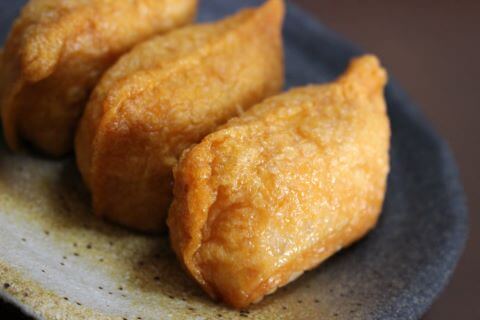
Inarizushi seems to be a version of Sugatazushi. Perhaps the Sumeshi is stuffed into the fried tofu instead of into a fish (a hypothesis). When looking at literature from the Edo period, there is Inarizushi in the form of a long rod that was cut up and sold. Someone probably thought that if they were going to cut it up into bite-size pieces anyway, they may as well make it in easy-to-eat sizes in the first place (an inference). There are some shops that still sell Inarizushi in long rod form, but the difference is probably in how the fried tofu is cut. You can find this from Sekigahara, Gifu and further eastward.
Triangle Type
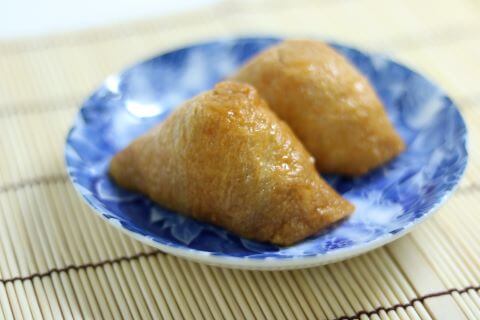
Why is the appearance triangular? There are many theories, but the most plausible is that these are meant to be shaped like a fox ear. Inarizushi originated as an offering to the Inari god at festivals. The Inari god is the deity of agriculture and patrons pray to this god at Inari shrines. The head Inari shrine is Fushimi Inari Taisha in Kyoto. Legend has it that fried tofu is a favorite of foxes, who are said to be messengers of the Inari god, so it was made into the shape of fox ears. Another theory is that it is the shape of Mt. Inari where Fushimi Inari Taisha is located. Apparently this is because the triangle type originated at Fushimi Inari Taisha. However, Inarizushi shops in Kansai use lucky bale shapes in order to pray for prosperity in business. On the other hand, Inarizushi made at home or in soba restaurants are usually triangular. This type is found from Sekigahara, Gifu and westward.
Open Type
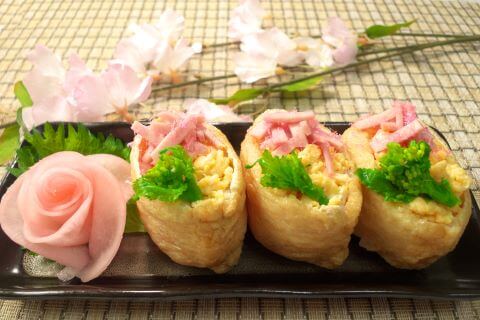
The open type is a revolutionary style. How it came about is not clear, but perhaps someone just stuffed it too full of ingredients. Since the ingredients are visible, it looks even more delicious than normal Inarizushi. It’s really beautiful when many are lined up. You can imagine how this served as inspiration to those who went on to add a variety of ingredients. It’s also easy to make since all you have to do is fill it with ingredients. It is now widely recognized for its aesthetic appeal and versatility. Open Inarizushi has spread internationally and has become a beloved style in countries such as France, South Korea, Australia, and Singapore.
Roll Type
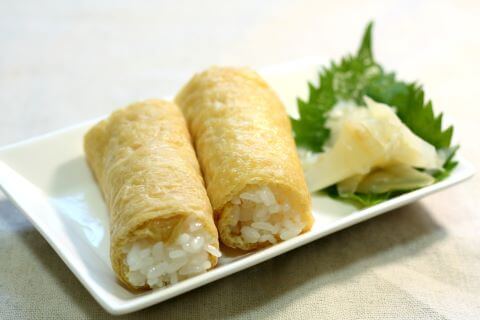 Almost all roll-type Inarizushi in Japan is made with a dried fried tofu from Kumamoto called Nankanage. Unlike normal fried tofu, it looks like paper in the shape of a sponge and does not form a bag. That’s why the only way to use it was by wrapping it around the rice. Also, this method might have emerged as a practical solution to avoid tearing the tofu while stuffing it.
Summary
Ignoring whether or not it is true that carnivorous foxes really love fried tofu, apparently the foxes that serve as messengers to the Inari god do love it. As foxes were thought to be delivering prayers to the Inari god, their favorite fried tofu was given as an offering to stay on the fox’s good side. After that, they started the practice of stuffing rice that was grown with the blessing of the Inari god. As you can see, Inarizushi is the combination of two ingredients involving the Inari god.
Related contents:
Tips for making great Inarizushi from a sushi chef
We hope this information will be helpful.

Revision date: July 9, 2025
Share this article
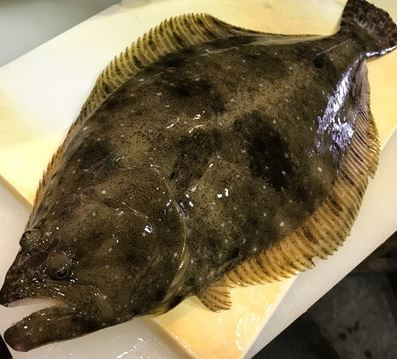 Hirame is a high-quality fish that goes for at least US $50 per kilogram. It can even exceed US $80 per kilogram, depending on the timing and the fish’s body.
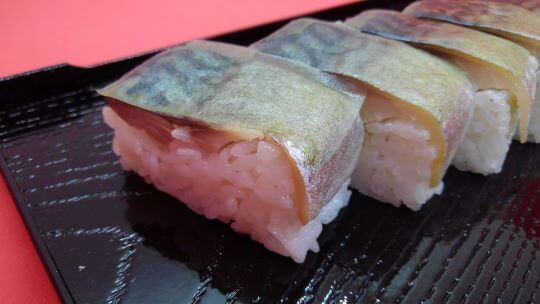 While not often seen in Tokyo, “Whole mackerel sushi” is popular in Kyoto and Osaka. This is pressed sushi made by placing vinegared
 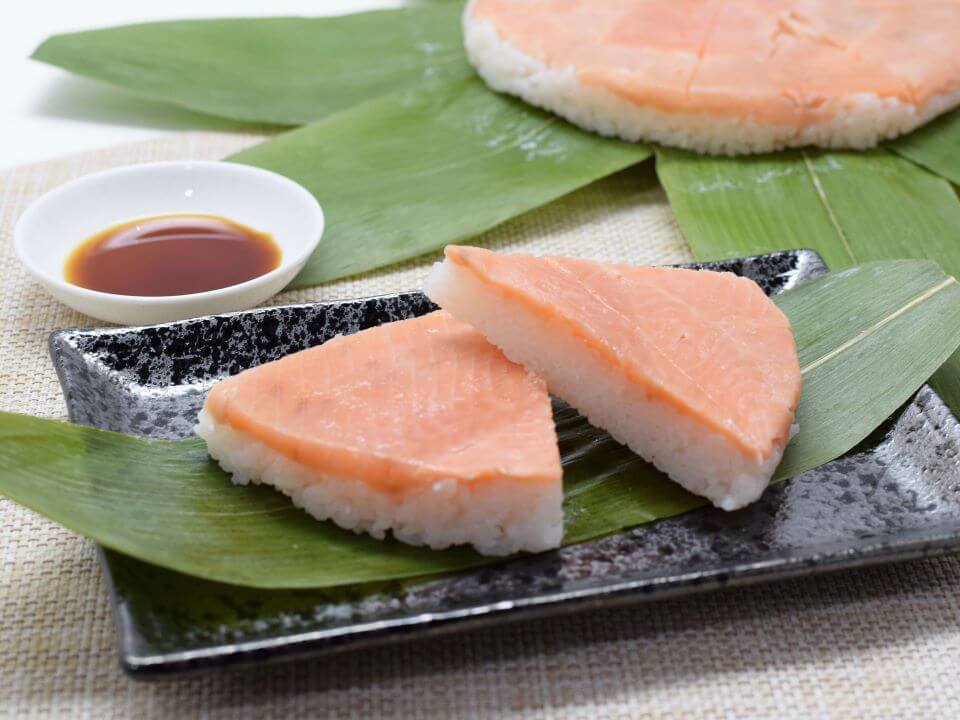 The origin of Masuzushi dates back about 300 years. Apparently, in 1717 it was first presented as Ayu narezushi (narezushi is a traditional food, said to be the original form of sushi and made from lactic fermentation of fish) to the third-generation feudal lord, Toshioki Maeda, by Shinpachi Yoshimura, a feudal retainer of Toyama who excelled in cooking skills. Toshioki liked the dish very much and assigned the role of vinegaring Ayu to Shinpachi. After that, it is said that the same narezushi was presented to the eighth shogun of the Tokugawa shogunate, Yoshimune Tokugawa, and that Yoshimune was extremely pleased with it.
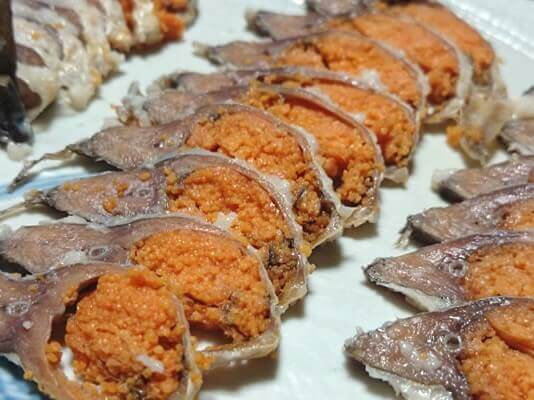 Narezushi (mainly a preserved food in which fish undergoes lactic fermentation with salt and rice), in which Sushi finds its roots, can still be found even today throughout Japan. The most famous is Funazushi (鮒寿司, 鮒鮓, 鮒寿し) in Shiga prefecture.
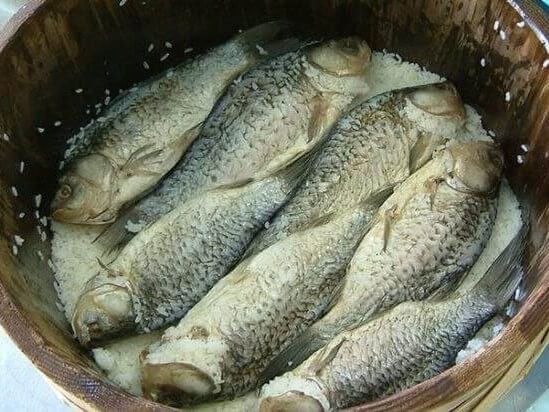 Making Funazushi sushi is surprisingly simple. The only ingredients are crucian carp caught in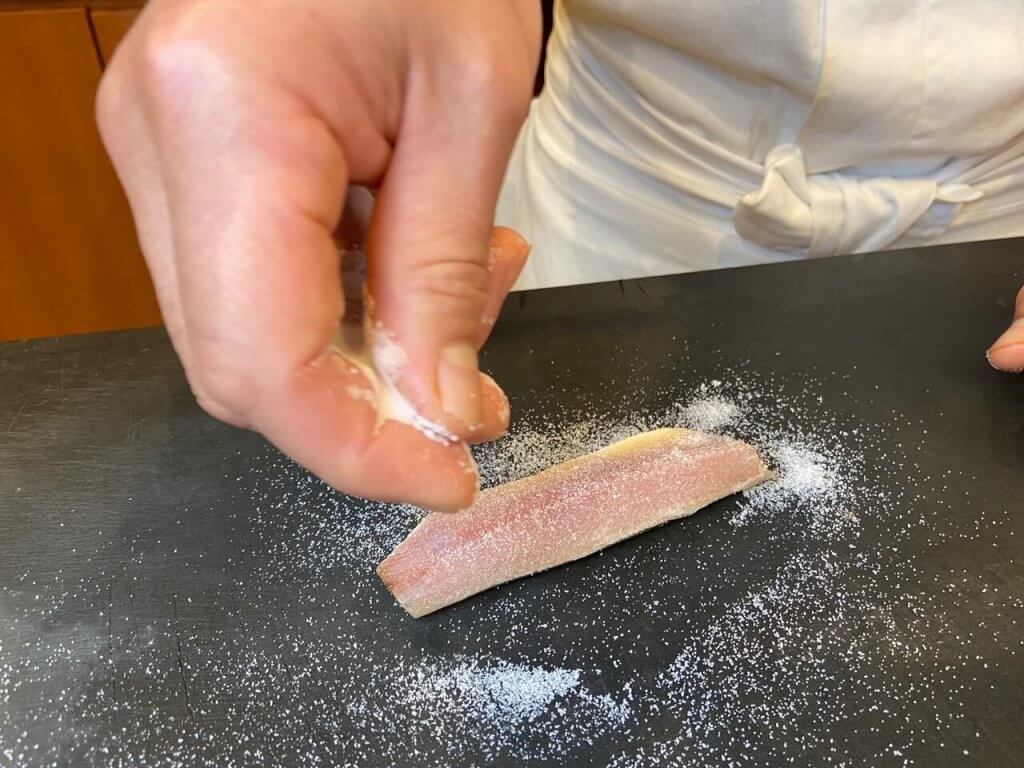

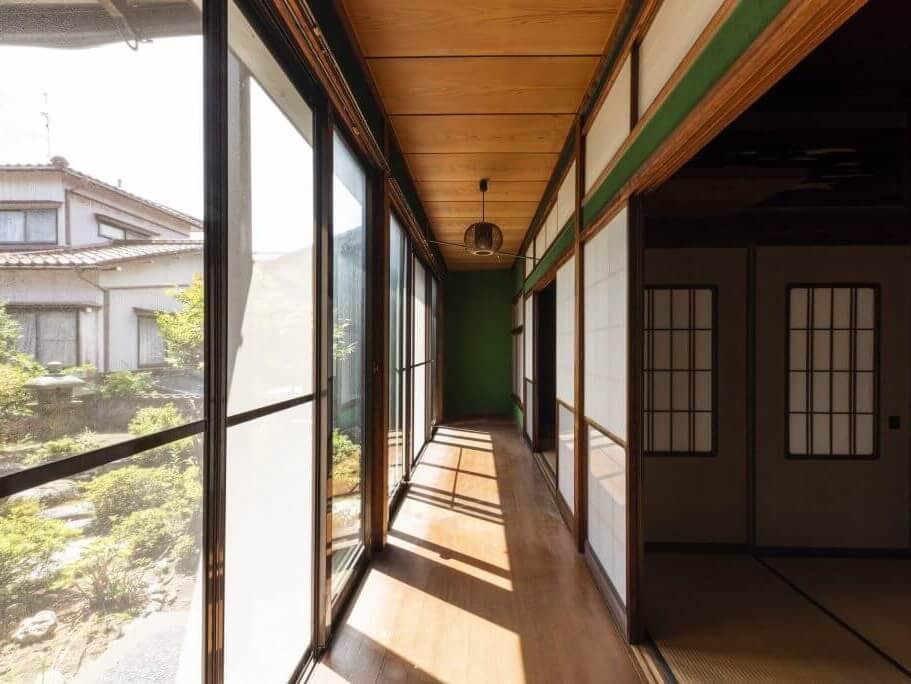 The name “engawa” comes from its resemblance to the unique veranda structure of Japanese-style homes. This veranda is called “engawa” in Japanese.
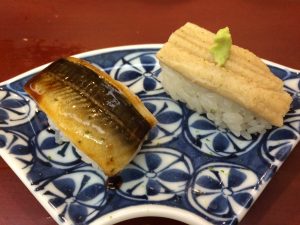
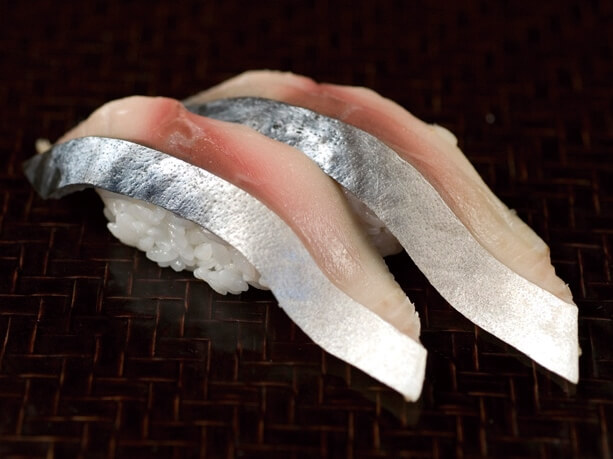 When you sit at the counter and order nigiri a la carte, they will come out in pairs.* There is nothing wrong with counting these in the regular Japanese way “ikko (一個),” “niko (二個).”




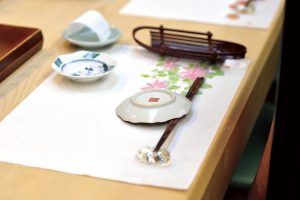 There are manners in using chopsticks that tourists may be unaware of. We would like to introduce some of those here.
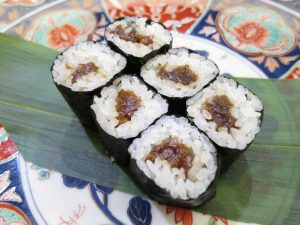 To maximize each flavor of toppings, have some pickled ginger or hot tea between different types of sushi to cleanse your palate. You don’t have to stick to the specific order, though. It seems like having customers eat freely is the idea held in common by most sushi chefs. However, indeed, you won’t be able to taste the next flavor after eating something rather sweet. Japanese conger (Anago), Egg (Tamagoyaki), and Kanpyoumaki should be eaten at the end.
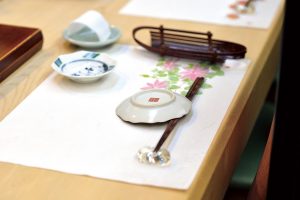 The sushi restaurant is unusual in that the customer sitting at the counter can see the seafood (neta) from which individual servings will be made, and can watch the chef deftly perform his art while enjoying lively conversation. Sushi restaurants also differ from other restaurants when it comes to menus.
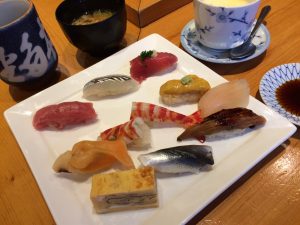 If the customer is inclined to worry about what the bill will come to, he orders
 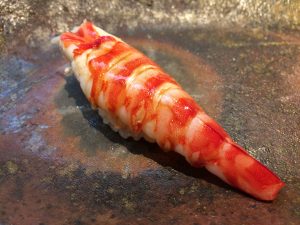 People at the counter most often order